

Table of Contents
Written by
 Mike Waters
Edited by
 Matthew Scott
Bluffing works the same in online poker as it does in real life: you’re telling your opponents a story. If it’s good enough, they buy it, and when it’s not, they might read your bluff. To avoid making the same mistakes that I did, I’ve prepared this guide to teach you the basics of poker bluffing and how it works.
What Is Bluffing in Poker?
Bluffing is betting or raising with a weak hand to make someone fold. It’s a simple idea that only works because poker players are constantly trying to guess what the other person has. When you bluff, you’re essentially taking advantage of that uncertainty.
The funny thing is, most bluffs don’t look nearly as dramatic as they make them seem in the movies. It’s usually a normal continuation bet on the flop, or just a small nudge on the river that convinces someone their pair of 10s isn’t good enough.
Many beginners believe that bluffing is about ‘reading the face’ or some physical signs. In reality, bluffing is just understanding the situation better than your opponents and knowing when to raise, when to call, and when to fold.
A good bluff tells a story that the others need to believe. If you tell your opponents that your hand is stronger than theirs (you tell them with your bets, not actually telling them), they might believe it, and they might fold. If you have a neon sign saying “please fold”, that’s a bad bluff, and someone will read it – and you’ll lose.
Note from Mike Waters: Bluffing isn’t always about betting with weak hands and hoping everyone folds. Sometimes you bluff with strong hands. You might have a strong hand and act weaker so the others get brave, bet into you, and build the pot for you. Letting someone think they’ve trapped you can be just as profitable as pushing them off a hand. Both are bluffing in their own way because you’re getting into their heads and making them believe that you’re holding a weak or a strong hand.
Common Bluffing Situations and How They Work
Can you bluff every hand? Well, technically, you can, but not every hand is a good spot to bluff. Some situations are just bad positions to bluff, but some are practically inviting you to steal the pot.
In Texas Hold’em poker (and most of the other modern poker variants, like Omaha), bluffing usually comes down to position, stack, and the strength of your opponents.
I’ll walk you through some of the common situations where bluffing works (or doesn’t work), and teach you how to make your first bluffs.
Good Bluffing Opportunities
Good bluffing spots are where your story checks out, and the board gives you believable strength. Let’s check out some examples:
A Pre-Flop Bluff With a Continuation Bet
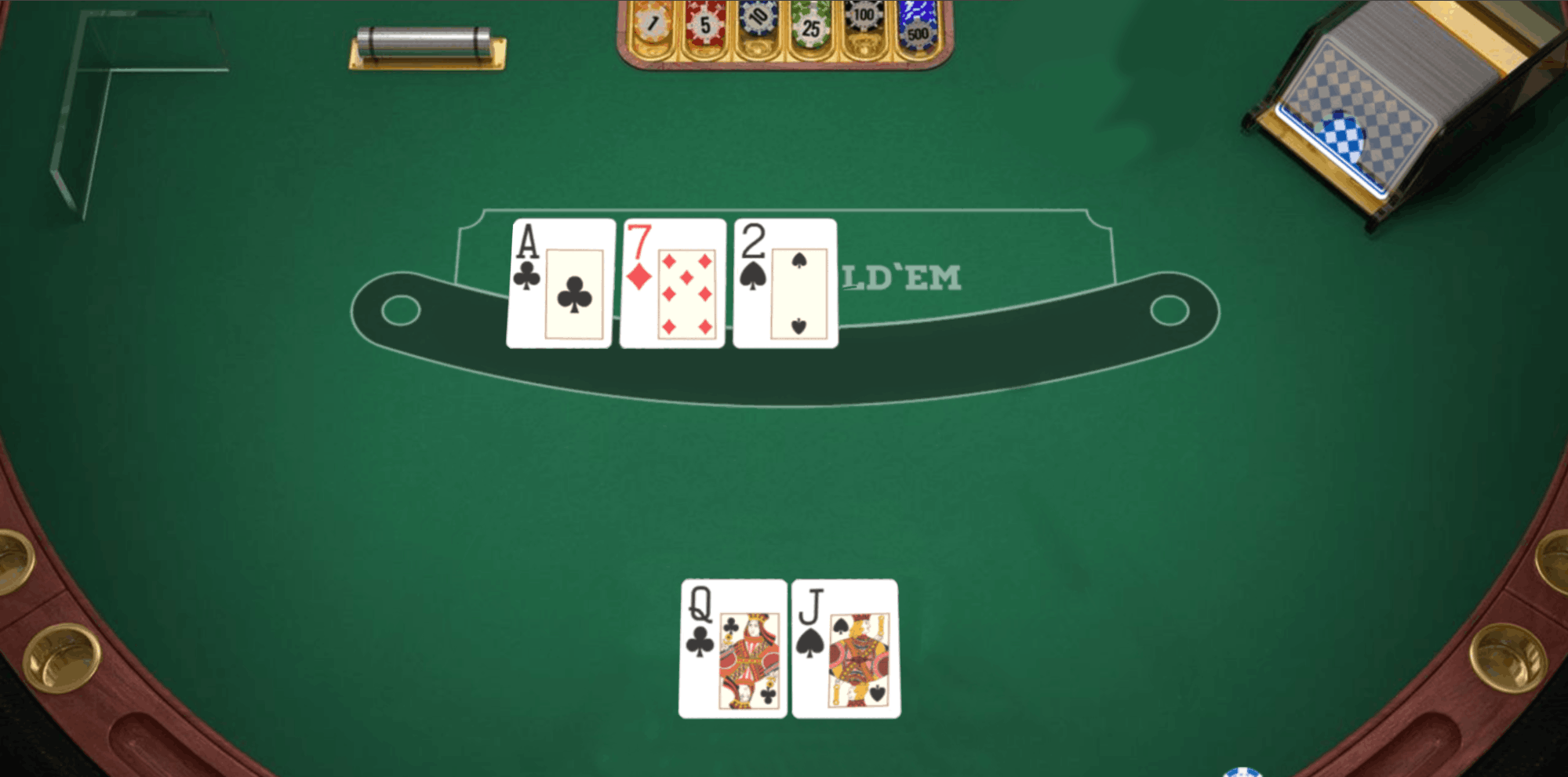
A classic example is when you raise a pre-flop from a late position and place a continuation bet on a dry flop like Ace of Clubs, Seven of Diamonds, Two of Spades. That board favours you more than the blinds, so even if you’re holding Queen of Clubs, Jack of Spades, or Nine of Spades, Eight of Spades, a small c-bet makes sense. You’re representing a top pair or a decent ace, and a lot of players will let it go.
The position here is still key, as you can’t do this move in an early position. This move is only available when you’re in a late position. Otherwise, it’s too risky a move that loses strength with more players in the pot.
Semi-Bluffs
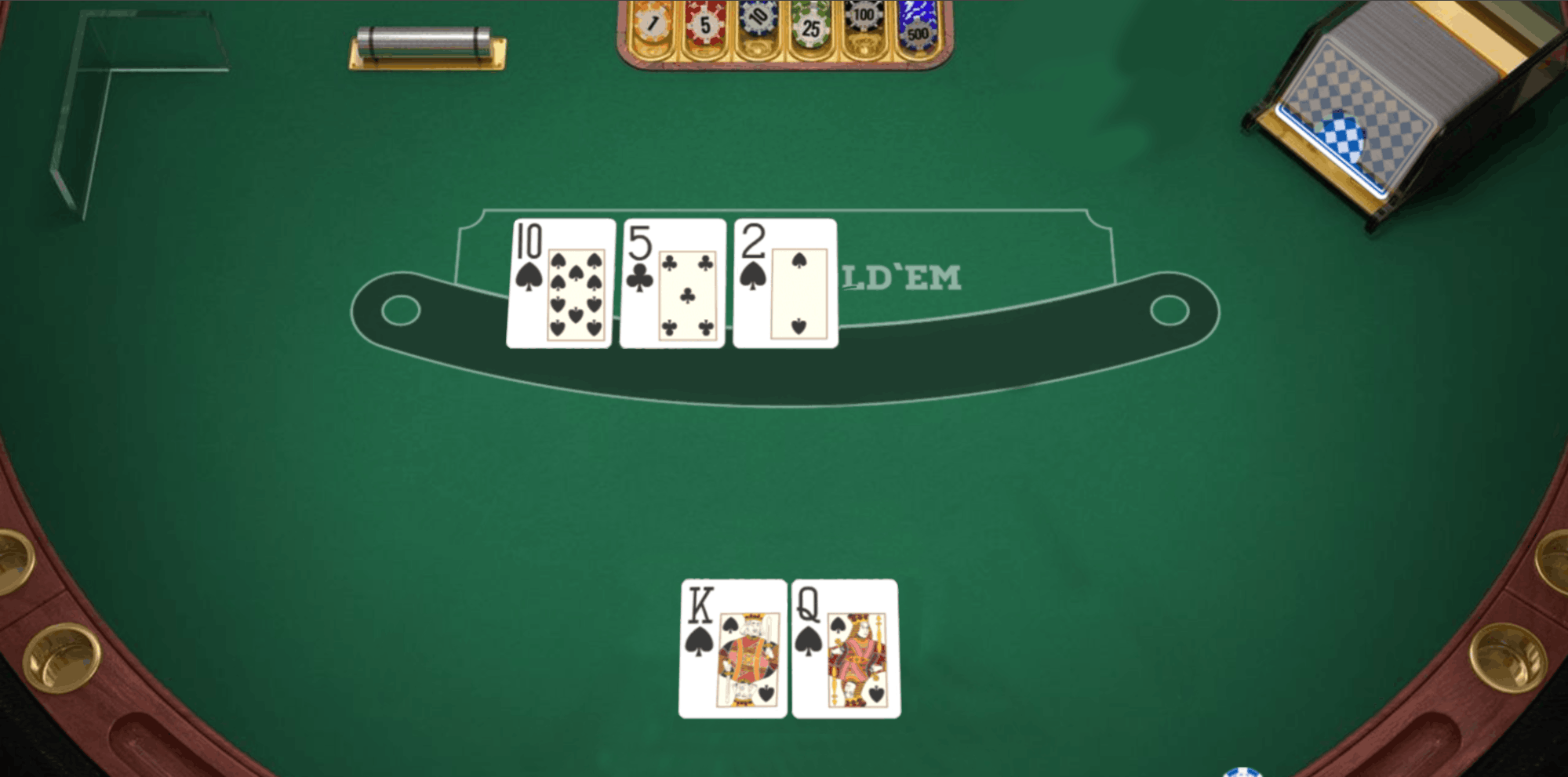
Semi-bluffs are another strong category. Say you call a raise with the King of Spades and the Queen of Spades, and the flop comes 10 of Spades, Five of Clubs, Two of Spades. You’ve got two overcards plus a flush draw. You’re not betting just to bluff; you’re betting because you have real ways to improve if you get called.
Bluffing on Scare Cards
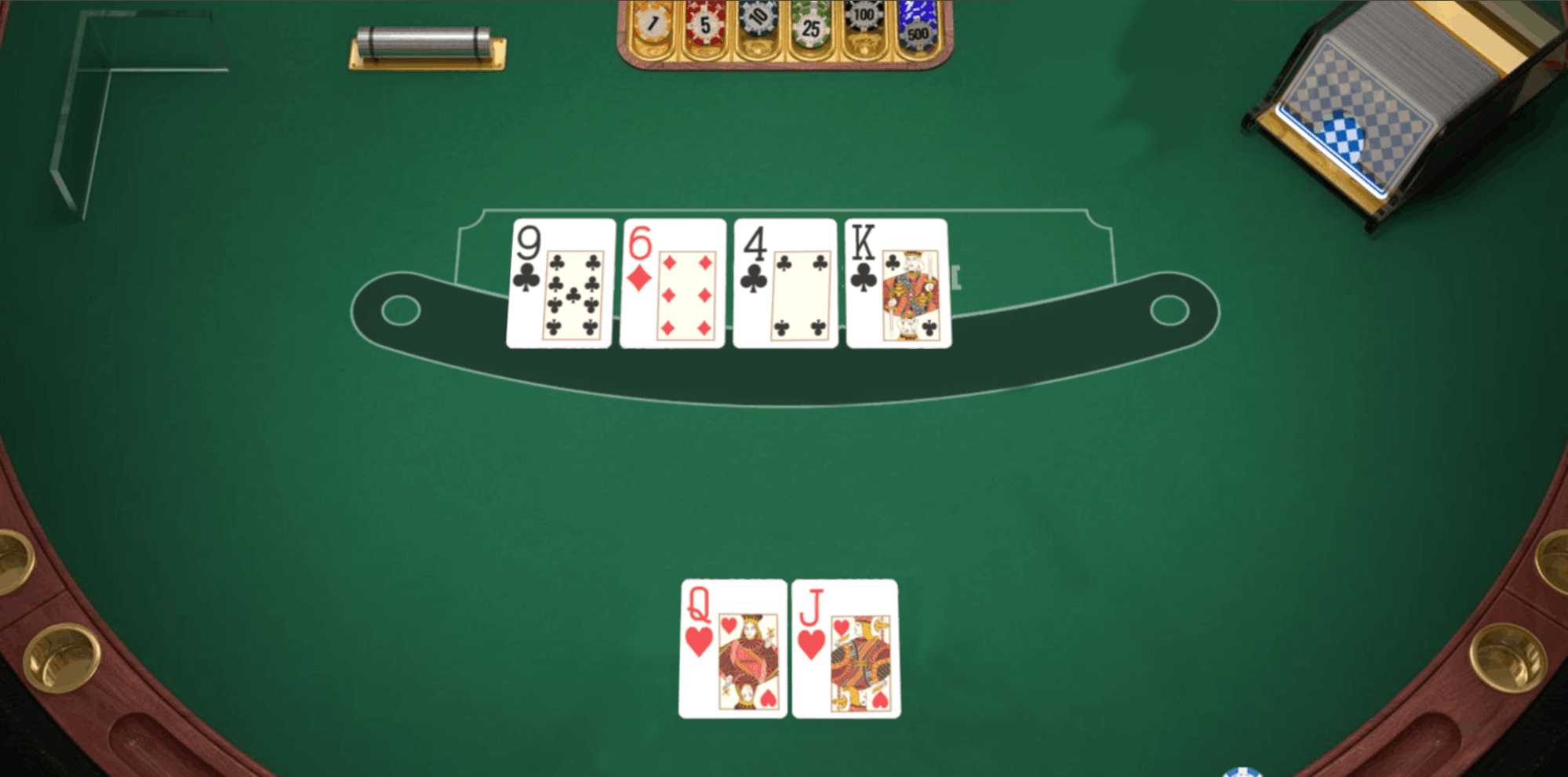
A scare card is any turn or river card that makes your opponent uncomfortable because it connects well with the range you’re representing. For example, you raise a pre-flop with Queen of Hearts, Jack of Hearts, get called, and the flop comes Nine of Clubs, Six of Diamonds, Four of Spades. You c-bet and get called. The turn then comes King of Clubs.
That King hits a lot of hands you would reasonably have as the pre-flop raiser, like suited Ace-King, suited King-Queen, King-Jack, or even sets like Kings. Let’s be honest here – if you don’t have a strong hand, and you get a King of Clubs as a turn, you’re not calling any raises.
It’s a terrible card for most calling ranges, especially if they are called with small pairs or suited connectors. A second barrel here makes your story believable, so it’s one of the best bluffing opportunities that works in many situations.
Bluffing When the Board Pairs
This is my personal favourite bluff. Most players find paired flops boring because they create a situation where many people fold, since three-of-a-kind and full houses are realistic. However, this also gives you an opportunity to bluff.
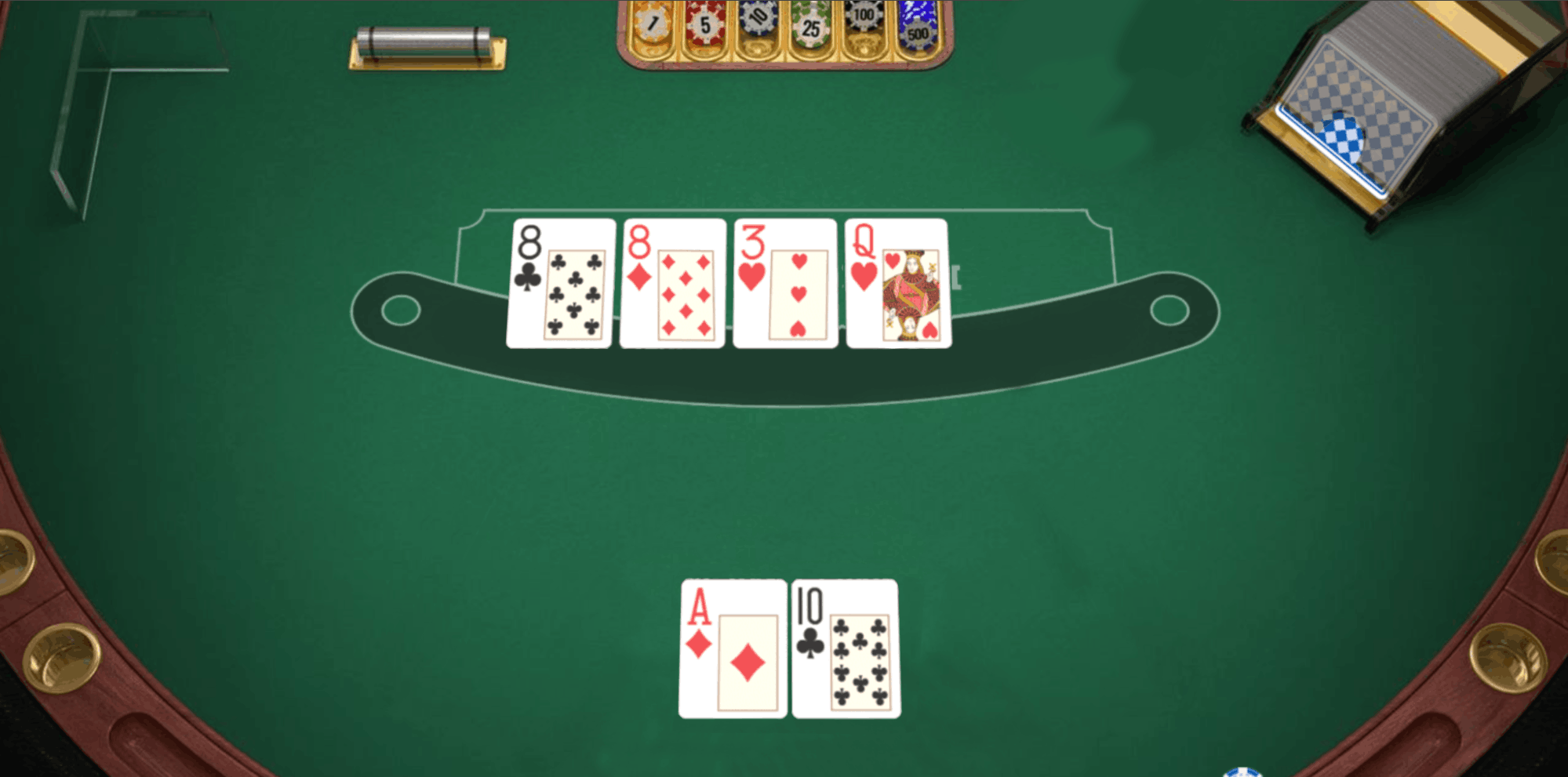
Say you raise from the button with Ace of Diamonds and 10 of Clubs, and the big blind calls. The flop comes Eight of Clubs, Eight of Diamonds, Three of Hearts and both players check. The turn is Queen of Hearts.
Now you can fire. That Queen plus the paired board is horrible for random pairs like Fives, Sixes, Nines, and even Js. Your opponent doesn’t want to commit chips when you can credibly represent the eight or a decent queen. Even though you missed, the board texture helps this bluff. Of course, there’s always the risk that they have a stronger pair or an 8.
Bluffing From the Blinds
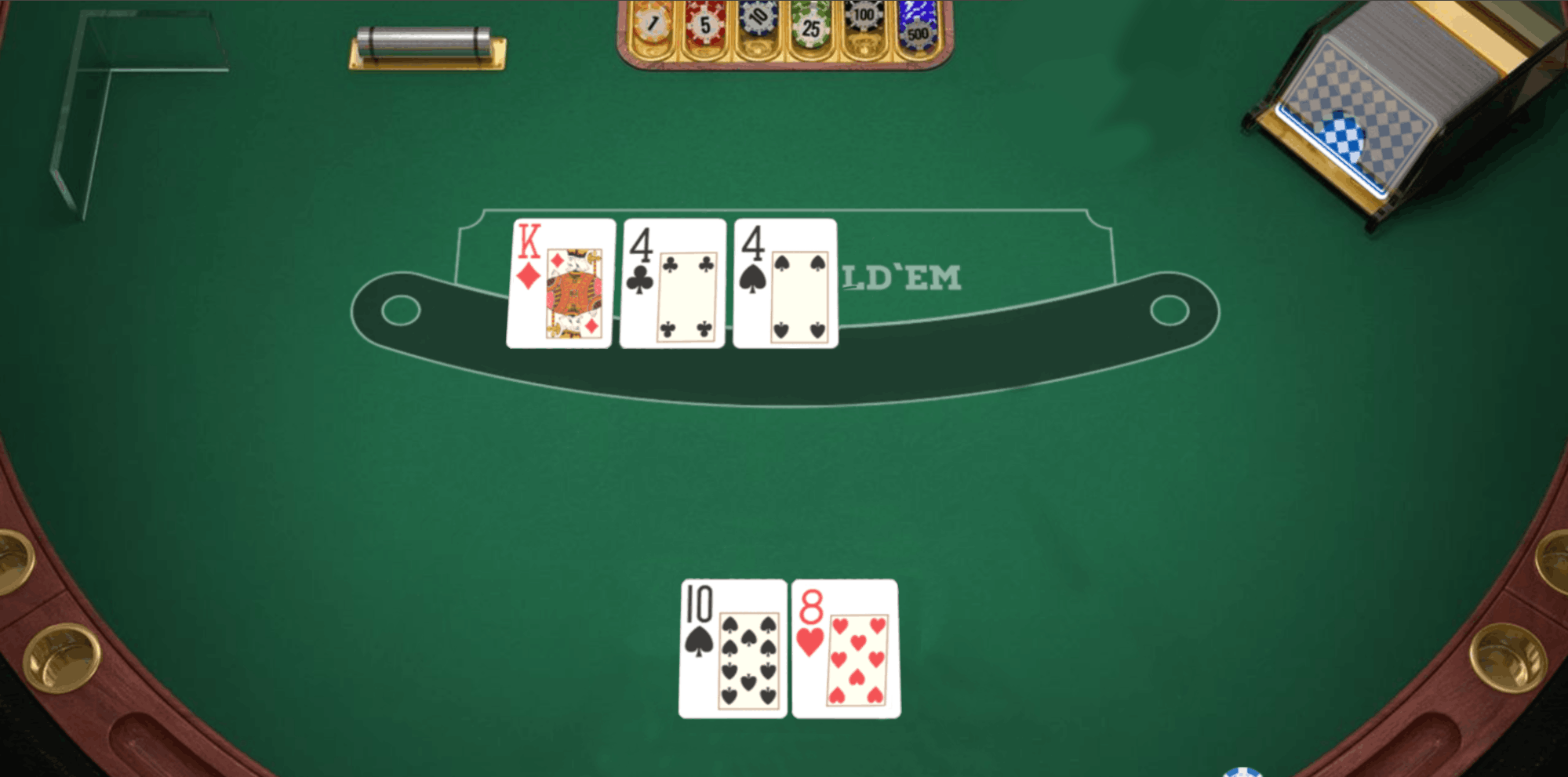
Bluffing from the blinds is not attractive against multiple players, but against a single late-position opener, it can work well. Say the cutoff raises, and you defend your big blind with 10 of Spades and Eight of Hearts. The flop comes King of Diamonds, Four of Clubs, Four of Spades. This flop favours the defender.
However, if you lead small in this situation, you’re basically saying, “I have the four or a king.” It might sound obvious, but trust me, it is believable, especially because many players auto-fold their openers.
Bluffing With Blockers
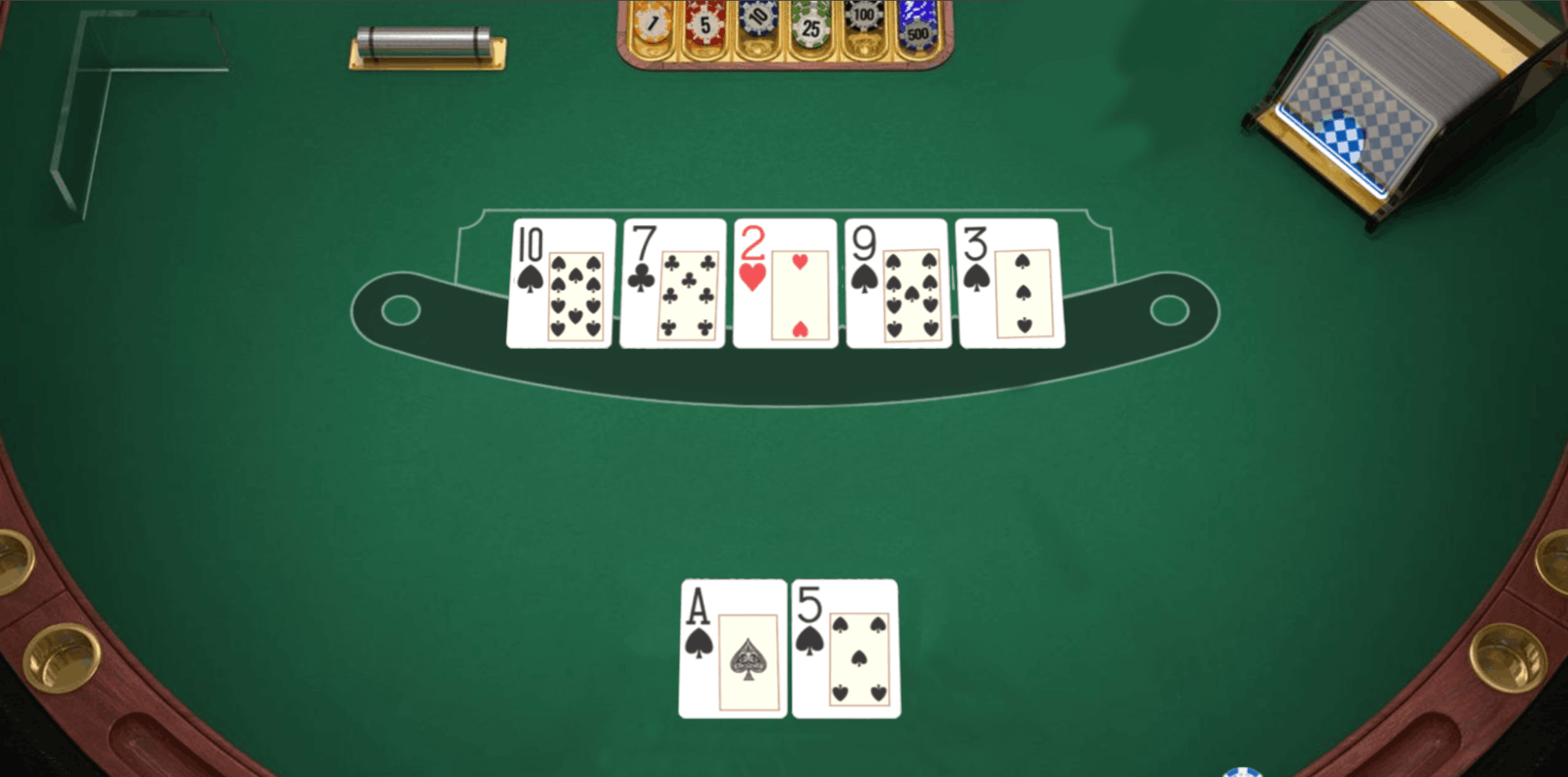
Bluffs work best against players who fold. You don’t bluff the experienced guy who refuses to fold the second pair, but you can definitely bluff the ‘grinder’ who’s obsessed with hand ranges. Someone who likes to think in terms of ‘combos and range advantage’ (or some other fancy terms they’ve read online) is the perfect target when you have nothing but your blocker effect.
A blocker effect is a hand like Ace of Spades and Five of Spades on a board showing possible flushes or straights. Their hands are essentially blocked, so they give you credit.
Note from Australian Gamblers: A blocker effect means your hand contains cards that make it less likely your opponent has the strongest hand on the table. If the river completes a spade flush and you’re holding the Ace of Spades, you know they can’t have the ace-high flush. Same idea if you’re holding a card that completes a straight – you’re making those combinations less available for your opponents. This makes your bluff more believable because they’re worried you’re the one holding the winning hand.
Bluffing Against Players Who Think Too Much
I mentioned these ‘grinders’. They’re players who aren’t calling because they “feel like you’re bluffing”, but because the range math says they should. Yes, they can be some of the easiest opponents to bluff.
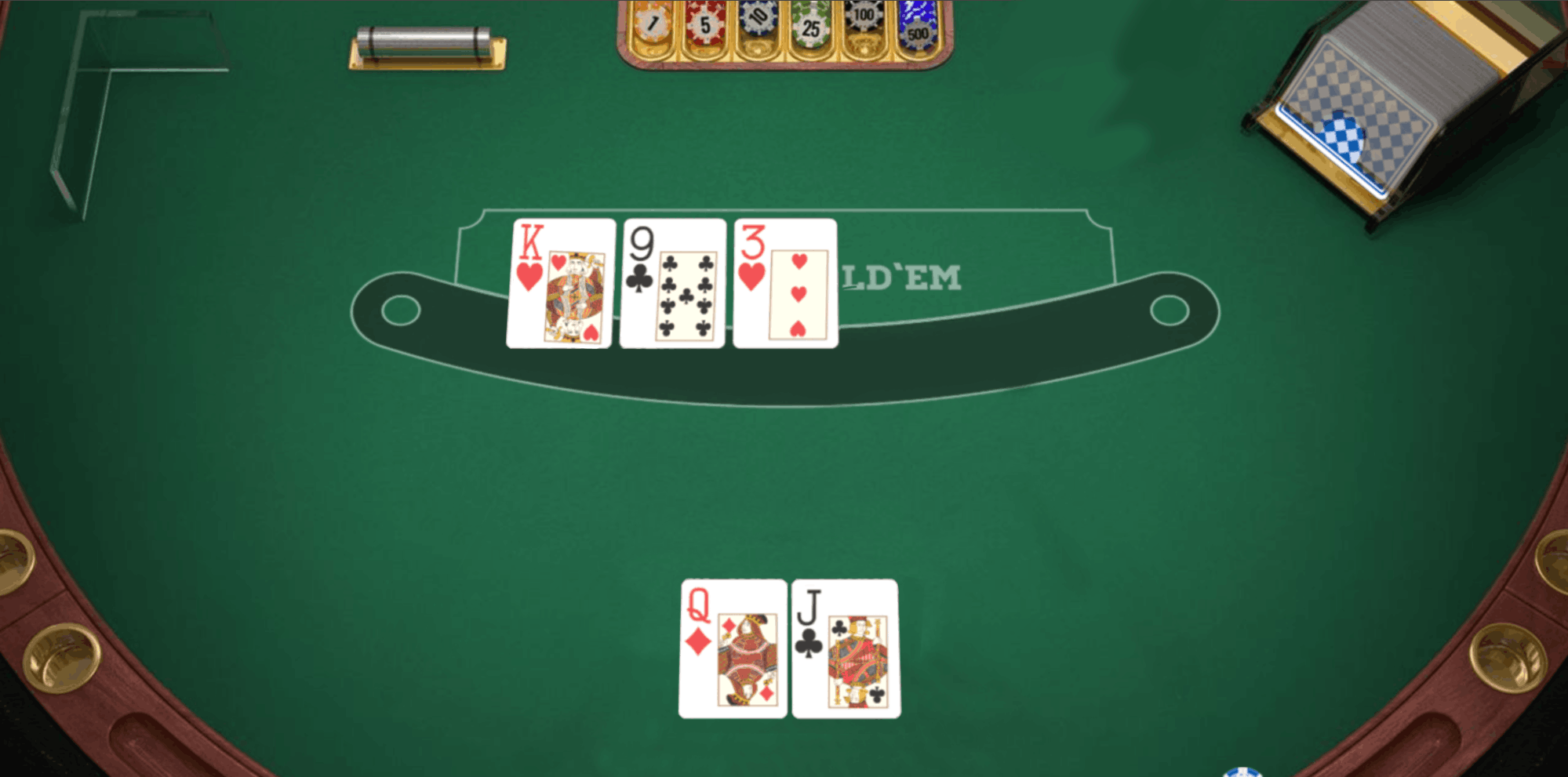
A good example is when you raise a pre-flop from middle position with the Queen of Diamonds and Jack of Clubs, and the flop comes King of Hearts, Nine of Clubs, Three of Hearts. It’s not a great flop for you, and against a calling station, you’d probably check and give up.
But against a ‘grinder’ (a player who focuses only on the range of options), a continuation bet works like a charm here because you’re representing all the strong Broadway hands that connect with that King: Ace-King, King-Queen, King-Jack, or even Aces.
These players don’t want to call and “just hope” you’re bluffing. They want a logical reason to continue, and if their hand doesn’t fit the range puzzle, they fold. It’s one of the rare moments where playing against someone who overthinks actually makes your life easier.
Button Pressure Bluffs (Double Barreled)
If you’re on the button, you have the most information and the widest opening range. That alone creates opportunities to bluff because everyone else is out of position. A very simple (and very common) spot is:
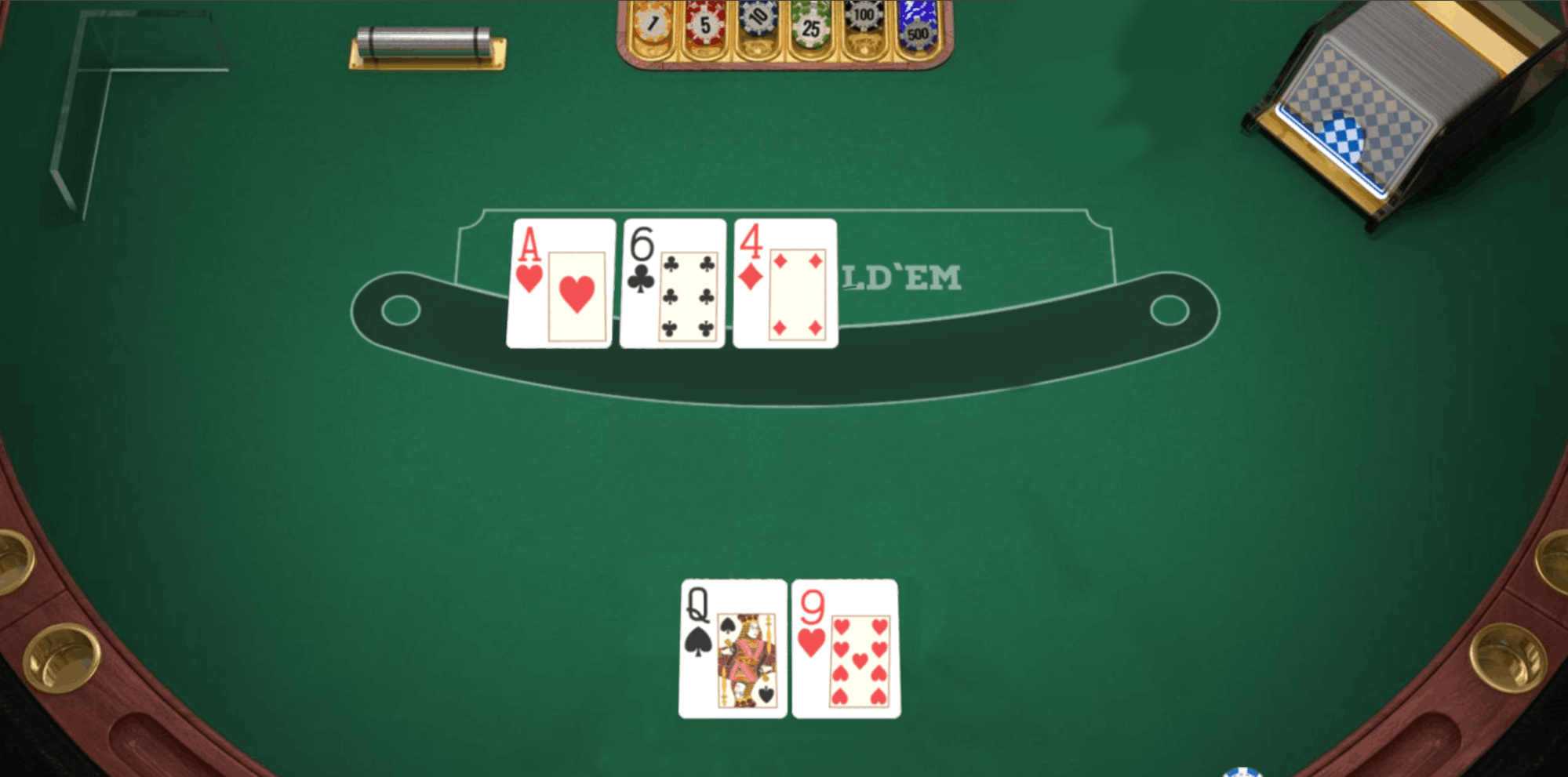
You’re on the button and raise 3x the big blind with a hand like Queen of Spades and Nine of Hearts (any hand can work here). Let’s say that the big blind calls. The flop comes Ace of Hearts, Six of Clubs, Four of Diamonds.
Neither of you hit a good hand, but that Ace is a nightmare card for the big blind. If they check (they usually do), a small bet from the button puts a ton of pressure on them because you’re representing any Ace, any good Broadway hand, and even some suited connectors. Most players just fold here because calling with bottom or middle pairs feels miserable when you’re out of position. This is one of the simplest bluffing opportunities, and it works in many situations.
Small Pots Are the Easiest to Steal
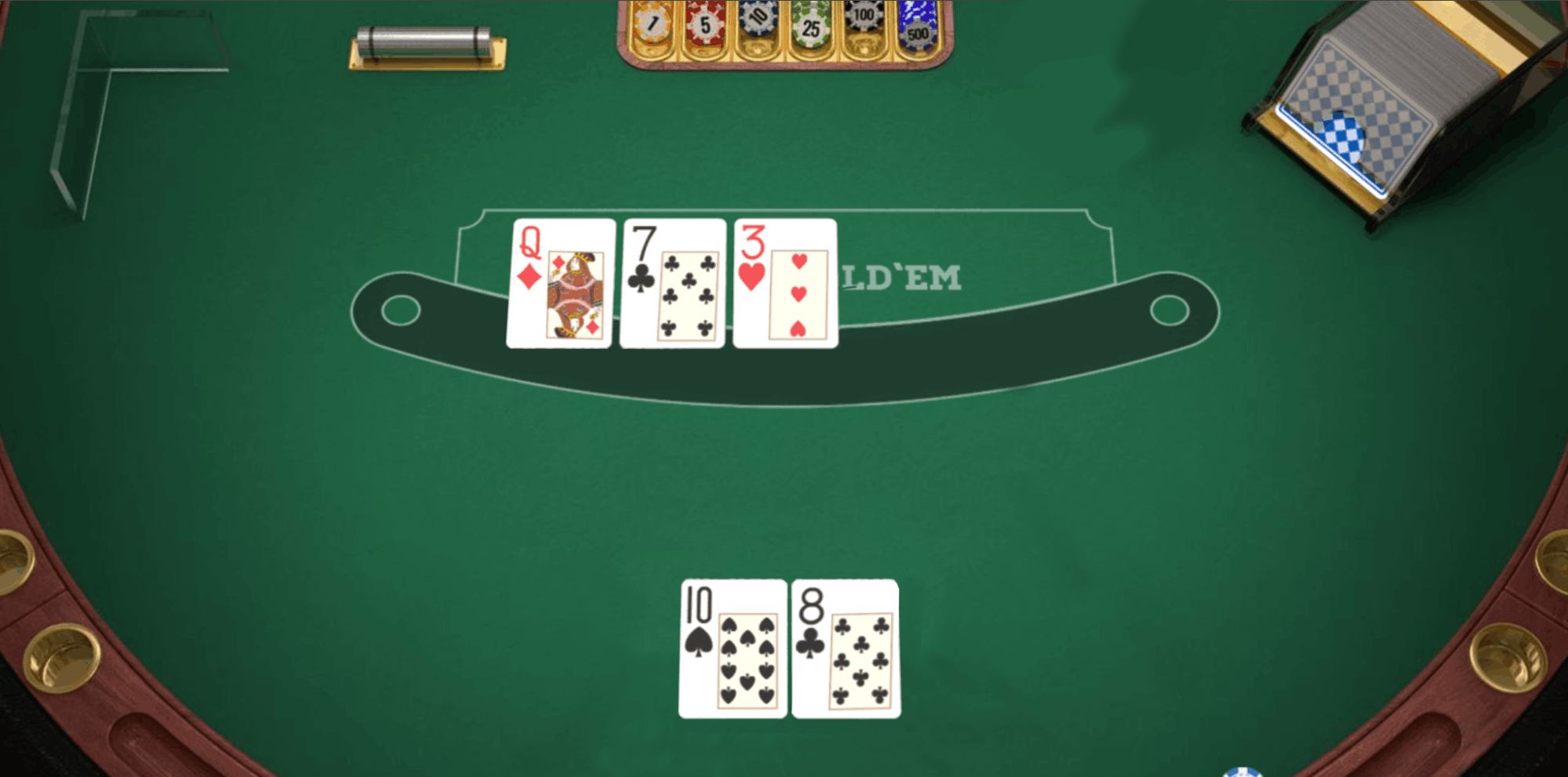
Another simple bluffing opportunity comes from tiny pots (like 2-3 blinds) where nobody has shown interest. Tournament players do this constantly, but it works in cash games too. Say you limp behind with a 10 of Spades and an Eight of Clubs on the cutoff, and four players see the flop.
The flop comes Queen of Diamonds, Seven of Clubs, and Three of Hearts, and everyone checks to you. When a whole table checks, it usually means nobody hit the flop. A small bet here often takes it down because nobody wants to defend random air in multi-way pots. Nobody cares about that small pot anyway, so you might just steal it.
But like any bluff, this one can backfire, too. For example, if someone slow-played top pair, if a player hit middle pair and doesn’t believe you, or if you’re playing against someone who hates folding, you’re suddenly betting into a hand you’ll likely lose.
When Bluffing is a Terrible Idea
Bluffing is part of poker, so I’d say it’s never a truly ‘terrible’ idea, but it’s not something you should force. A bad bluff is either one that never had a chance to work or one where the board, the players, or the math simply aren’t on your side.
Here are some common examples where you shouldn’t necessarily try to bluff:
If three or four people see a flop, someone is usually connected. Trying to bluff through multiple opponents is a disaster unless you’re semi-bluffing with real equity, and even then, you’re not guaranteed to connect.
For example, you raise from an early position with Ace of Clubs and Queen of Diamonds, and get three callers. The flop comes 10 of Hearts, Eight of Clubs, Seven of Clubs. Even a small raise here gets called by pairs, straight draws, flush draws, and random hands that don’t want to fold. In multi-way pots, someone’s sticking around, and if you don’t connect, you’ll probably lose.
A calling station is a player who hates folding. They will call you down with literally everything, from a bottom pair, connectors, gutshots, and any ace just to “see it.” Bluffing these players is not a good idea, because they just want to be in every pot.
For example, if you fire the turn with King of Spades, Jack of Clubs on a board of Jack of Hearts, Nine of Spades, Five of Diamonds, Three of Clubs, don’t be surprised if they call you with Nine of Diamonds and Seven of Diamonds – and you never know, they might get lucky and win the pot. These bluffs are usually not worth it.
Most bad bluffs happen because the story doesn’t make sense. Say you raise with the Queen of Hearts and 10 of Hearts, and they call. The flop comes Ace of Spades, Ace of Diamonds, Seven of Clubs.
You check, they check the turn, and you suddenly fire big on the river. What are you representing here? If you had an A, you would’ve probably bet earlier. What, you bought a mid-pair on the river?
Good players will catch these inconsistencies and will call you out just out of curiosity (or principle), and even if you manage to win one pot, they’ll catch you off-guard the next one.
Big pots attract unwanted calls, so if you’re playing a hand that ballooned pre-flop with multiple raises or cold-calls, don’t expect people to fold on later streets just because you decided it’s your turn to bluff. Put yourself in their boots: Would you fold if you already put a decent chunk of your stack in the middle? Exactly.
For example, say you 3-bet pre-flop with the King of Hearts and the Queen of Spades, and the original raiser calls. The flop comes Jack of Clubs, Nine of Diamonds, Three of Hearts. You c-bet, they call.
The turn is Four of Clubs, and now you’re thinking about firing again as a bluff. But if they’ve already called a 3-bet and a flop c-bet, they’re probably not folding on this ‘harmless’ turn. In other words, you have been ‘busted’, so you should either call to see the river, or walk away.
Big pots usually require big commitments, and big commitments are bad for bluffing.
You don’t want to bluff short stacks, because they don’t fold. It’s not that they don’t necessarily want to, but they can’t afford to fold. If a guy has ten big blinds or less (especially in a tournament), they’re often calling anything decent and praying for the best. Your fancy “I represent strength” bluff doesn’t matter here because they just don’t have enough chips to care about your story.
Say you open from late position with Ace of Diamonds and Seven of Clubs, and the big blind has six blinds left. The flop comes Queen of Spades, Nine of Hearts, Two of Clubs. If you c-bet as a bluff, they’re calling off with any pair, any queen, any nine, any gutshot, and sometimes even ace-high.
With short stacks, your bluffing just becomes a donation to the pot because they’re calling regardless of your bluff. You want to invest more money in the pot? Even better for them – because they’ve got nothing to lose anyway.
Position and Bluffing: Why Is It So Important?
Position is one of the most important factors in modern poker, and it becomes even more important when you’re bluffing. A bluff is basically a story you’re selling, and the more information you have before you bluff, the easier it is to tell a believable story.
When you’re the last to act (late position), you get to see who checked, who called, and who already gave up on the pot. When you’re first to act, you’re bluffing blind and hoping nobody has a hand that will ruin your plan.
Most beginners underestimate how much their seat at the table changes their ability to bluff the hand, so I’ll now explain the three positions and how suitable they are for bluffing:
- Early Position: EP is UTG and UTG+1; bluffing here is hard, and I don’t recommend it regardless of your hand. You’re acting without any information, and there are just too many players left to act behind you. Your position just doesn’t allow you to bluff. What will you do if someone in a late position calls or raises? When in EP, just play straightforward poker and save your creativity for later.
- Middle Position: MP is anywhere between EP and LP, and bluffing here can be realistic, but you need to be very selective. It usually depends on how many opponents are behind you and their (and your) stack, so some semi-bluffs and occasional continuation bets might be a possibility here.
- Late Position: The LP is usually the cutoff and the button, and this is the absolute best position for bluffing. If you’re a deep stack, you can basically do whatever you want here. You can steal pots with weak hands, apply pressure after everyone checks, and represent stronger hands than you have. Many bluffs work here not because of the cards, but because everyone else hates calling out of position.
Tip from Mike Waters: If everyone just checks or calls and you’re in a late position, it’s almost mandatory to bet. Weak pots just need someone to claim them, and if you’re in LP, it should be you. Most players hate calling out of position with nothing, and the button takes advantage of that more than any other seat on the table.
Bluffing Depends on Who You’re Up Against
The strength of a bluff has more to do with your opponents than your cards. Some players fold too much, some call too much, and some will read your bluff early. If you try to bluff someone who calls on everything, your bluff can be useless, and you’re relying on hand strength.
On the other hand, if you don’t bluff players who are scared of their own stack, you’re missing out on the beauty of poker. Most players have some “default behaviours” that they return to under pressure, so bluffing only works when you aim at those pressure points at the right people, in the right moment.
In general, poker players can be divided into several categories:
- Calling stations: They’re players who call with anything just to see it, so a standard bluff here is pointless.
- Fold or fit players: They either fold when they have a bad hand, or call if they have a good hand. They’re our perfect bluff targets.
- Range nerds (grinders): They are players who rely on maths too much. They are, obviously, very familiar with the poker mechanics, but they lack practice. They can be good targets.
- Short stacks: They might fall into any of the categories above, but they’re running out of chips, so they would call on anything because they’re running out of time. Personally, I don’t recommend trying to bluff short stacks.
- Tight players: These are your favourite players. The tighter they are, the easier they’ll give up small pots.
Note from Australian Gamblers: If you try online poker at any Australian poker site and play a few hands, you’ll spot these player types instantly. Just sit at the table and observe. You’ll see who never folds, who only plays strong hands, who thinks too much, and who’s clearly the calling station. Once you know who’s who, bluffing becomes a lot easier.
Why Your Bet Size & Stack Size Are Important
A bluff doesn’t have to be huge. In fact, most good bluffs are reasonably sized and consistent with the story you’re trying to sell. If you shove half your stack into a tiny pot, you’re not telling a believable story. You’re announcing that you want everyone to go away, but someone might sniff that out and call you.
When you size a bluff, think about what hand you are pretending to have. If the board looks like you would bet small with top pair, then you need a small bluff. You don’t need to make big raises when it’s completely unnecessary. Bet sizing is just role-playing, so you’re playing the part of a player with a certain hand.
Stack size is very important when you’re trying to bluff. If you’re the short stack, it’s really hard to bluff. Players know you don’t have the chips to pressure them properly, so they’ll call lighter just to knock you out (if you’re playing a poker tournament) or see if you’re serious. It doesn’t matter how good your story is – if the other guy thinks you’re desperate, your bluff loses power.
But when you’re a mid or deep stack, bluffing becomes more viable. Deep stacks can apply pressure with every hand and force opponents to make uncomfortable decisions. Many players hate calling off large chunks of their stack with anything that feels remotely mediocre, and that fear alone is enough to make decent bluffs profitable.
Big stacks also get to control the betting. They can size bets in ways that look natural for strong hands, for example, half-pot on flop, two-thirds on turn, and shove on river.
Let’s put it this way: If you’re the deep stack, you don’t need your bluff to work immediately. You can afford to “stretch” your bluff and pressure your opponent until they fold.
Cash Games vs Tournaments
Chips are valued differently in cash games and tournaments, which is why bluffing works slightly differently. In cash games, players tend to call lighter because they can reload if they bust, so there’s no true ‘all-in’ situation. They might call you with a middle pair with a weak kicker just to see if you’re bluffing. On the other hand, cash game stacks are also deeper on average, which gives you more room to apply pressure and try some of the bluffs I mentioned above.
In tournaments, losing every chip hurts more because you (usually) can’t reload. So, tournament players fold a lot more often, especially in later stages around the bubble or when approaching the paying stages.
Nobody wants to call and be out of the tournament with Ace-high or second pair. Survival pays better than increasing your stack, but this can also create a good bluffing opportunity with mediocre hands when you’re in LP and have a reasonably deep stack.
Bluffing Tips from a Professional Poker Player
By now, you probably have an idea of how bluffing works and how and when you should try it. It’s all about understanding the situation and the board, and trying to ‘sell your story’.
I’ll now share some more advanced bluffing tips that you might find useful:
Semi-bluffs are some of the safest and most profitable bluffs you can make. A semi-bluff is when you bet with a hand that isn’t strong yet, but has real ways to improve if you draw something good on the turn and river.
These include flush draws, open-ended straight draws, or even two overcards on a low board. When you bet here, you can win in two ways: they fold now, or you hit your draw later.
A pure bluff is when you have nothing, absolutely nothing, and rely entirely on your opponents to fold. These bluffs need the perfect situation: the right position, the right opponent, and the right stack.
If you’re new to bluffing, semi-bluffs should be your go-to. Pure bluffs require more experience and a much better read of the table.
A double-barrel bluff is simply betting the flop, getting called, and betting again on the turn. A triple-barrel is a double-barrel with another bet on the river. These bluffs are based on how the board develops and what your opponents do.
Now, they can both be viable options, but you need to be very careful. If the turn brings a “scare card” (a card that strengthens your range more than theirs), a second barrel can easily win the hand. But if the turn changes nothing and your opponent seems comfortable, it’s often better to give up.
Triple-barrel bluffs are very rare, and they work best when your opponents look unsure. Don’t try to force them out by any means because your strategy can backfire, and you can lose a lot of chips for nothing.
I already touched upon one very powerful bluffing strategy: slow-playing good hands. Look at it as “bluffing in reverse” when you check or call with strong hands like a top pair, set, flush, or even a full house. The idea is to let your opponents bet on you because they think you have nothing.
The trick here is balance, because if you slow-play too often, your opponents will recognise the pattern and stop paying you. However, if you slow-play in the wrong spot, you can give the other players a chance to catch up, and you don’t want that.
This strategy works best against aggressive players who will bet and raise, and they’ll convince themselves they have you beat.
Final Thoughts on Bluffing
Bluffing isn’t magic, and it isn’t about luck. It’s about getting the right timing to apply the right pressure to the right opponents. It’s more poker psychology than anything else.
The two most common mistakes I see people make are bluffing too much and not bluffing enough. You always need to read the situation correctly. If it’s a bad bluffing situation (you’re EP or MP, the board is bad, your opponents are not good bluffing targets), don’t attempt it.
On the other side, if the opportunity is perfect and you’re not bluffing to win chips, you’re playing poker wrong.
Bluffing is not about confidence – it’s about information. The more information you have about your opponents, the easier it is to sell your story. A good bluff is a combination of a believable story to a good target, and with the right amount. Do these three things right, and poker will become a lot more fun.
Latest Articles


Disclaimer: Gambling in Australia is strictly for individuals aged 18+. Our editorial team adheres to a strict policy to ensure that our reviews, recommendations, and content remain objective and free from external influence. We strongly encourage responsible gambling at all times. If you or someone you know is struggling with gambling addiction, visit the following gambling resources:
- https://responsiblewagering.com.au/
- https://www.gamblinghelponline.org.au/
- https://gamblershelp.com.au/get-help/