




What Is a Progressive Jackpot?

A progressive jackpot is exactly what it sounds like: a jackpot that keeps increasing over time (think of Lightning Link pokies across land-based casinos in Australia). You’ll usually recognise these pokies with the jackpot amount written on the game icon, although that’s not always the case.
This is how they work: every time someone places a bet on a progressive jackpot pokie, a small portion of that bet goes into the jackpot pool. This can happen within a single game, across multiple games, or even across multiple casinos. As more players play, the jackpot keeps growing until someone wins it.
That’s why progressive jackpot pokies can reach huge amounts, sometimes into the hundreds of thousands or even millions.
Note from Mike Waters: I often get asked: Who actually pays the progressive jackpot when it drops? And more importantly, what happens if you win something like A$1 million, but the casino has a max withdrawal limit of, say, A$60,000 per month?
Here’s the key thing: progressive jackpots are usually funded separately from the casino’s own balance, often through the game provider or a shared network pool. Because of that, jackpot wins are typically treated as exceptions to standard withdrawal limits. Legitimate casinos will pay out progressive jackpot wins in full, either as a lump sum or in agreed instalments.
Progressive Jackpot Variations
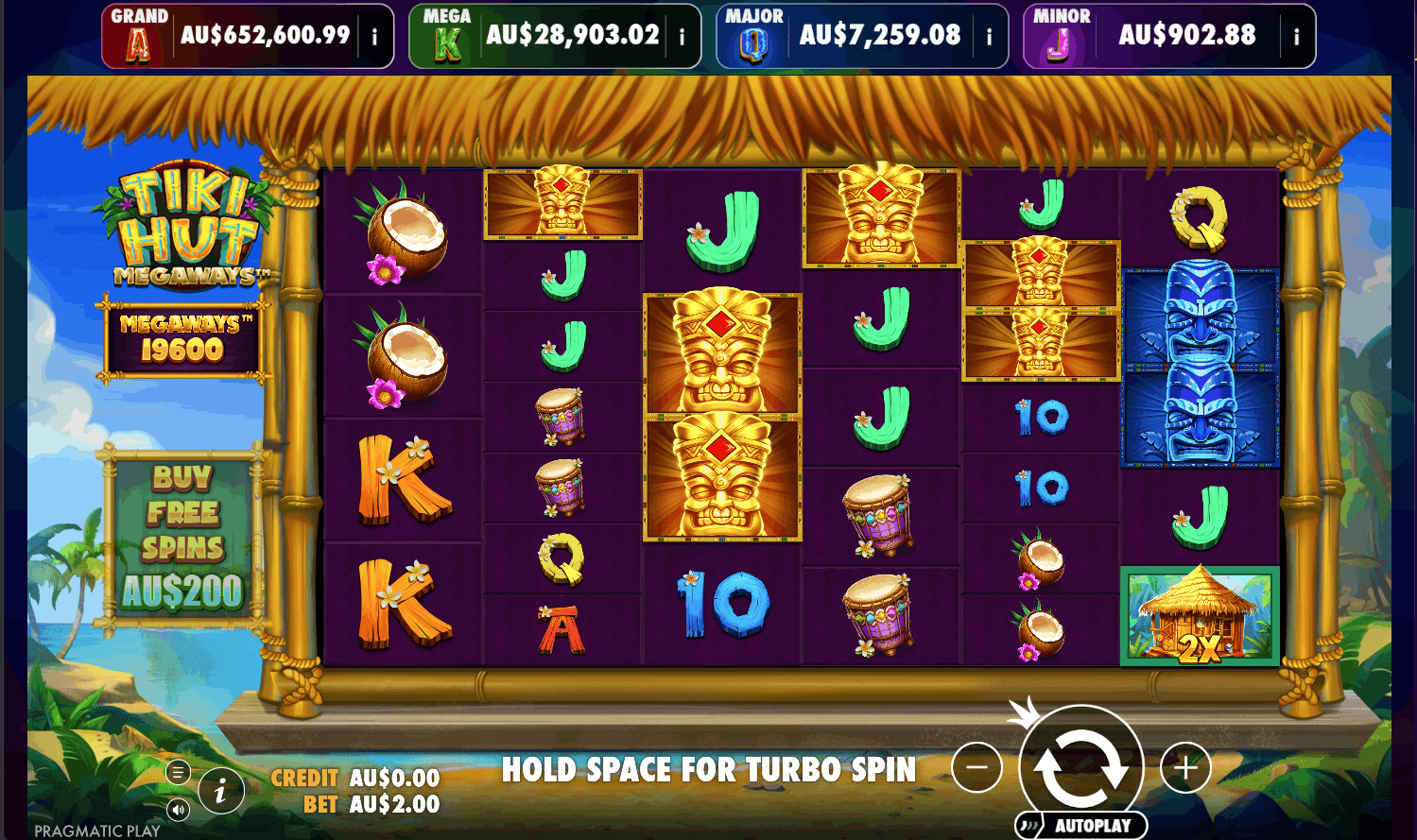
There are a few variations as well. Some jackpots are local, meaning they only grow within one game or casino. Others are network jackpots, where multiple casinos contribute to the same prize pool, which is how those massive numbers are created.
For example, Ancient Coins is a progressive network jackpot by Amusnet, meaning players from all casinos that have this game in their libraries contribute to it. The top prize was ~A$144,000 at the time of writing, and the jackpot grows until someone wins it, then resets to A$20,000. Any player who plays the game at any casino can win it, and a portion of every bet contributes towards the prize pool.
When discussing progressive jackpots in Australia, I have to mention the Pragmatic Play Jackpot Play series, one of the most popular jackpot networks among Aussie players, which links multiple games like Tropical Pop, Kingdom of Atlantis, and Gameshow Party to a single shared top prize currently over A$650,000.
Progressive Jackpot Pokie Advantages and Trade-Offs
The main appeal here is obvious: the chance to win a life-changing amount from a relatively small bet. However, the trade-off is that base game payouts are usually a bit lower than those of fixed jackpots or standard pokies, and so is the RTP.
Let’s take Mega Moolah, the most popular progressive jackpot pokie in the world. It’s an oldie, released in 2006 by Microgaming (now Games Global), and is famous for its massive jackpots that reach millions.
But the trade-off is that the base game RTP is just 88.12%, noticeably lower than standard pokies like Sweet Bonanza, which has an RTP of 96.52%.
What Is a Fixed Jackpot?
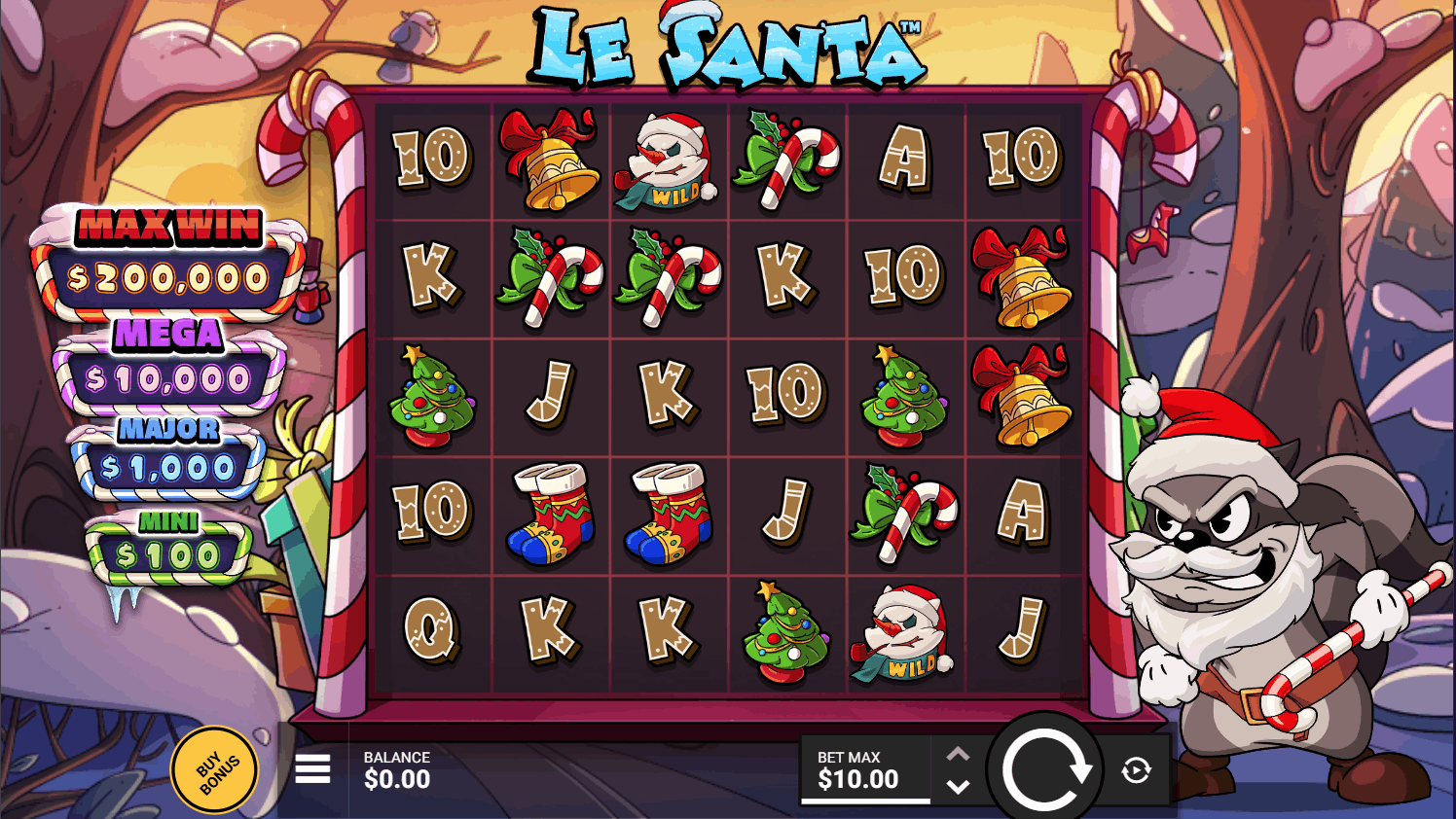
A fixed jackpot is the opposite of a progressive one. Instead of growing over time, the jackpot amount is set by the game and does not change, no matter how many people are playing.
For example, the popular Le Santa pokie by Hacksaw has a fixed jackpot of 20,000x the wager, with a top prize of A$200,000 with a bet size of A$20, and that amount will always stay the same. It doesn’t increase like the progressive jackpot, and it doesn’t depend on the number of active players. The value is fixed (hence the name), and, in theory, you can win it twice in a row – and the amount will stay the same.
In most jackpot pokies, fixed jackpots are triggered through bonus features, free spins, or specific symbol combinations. You’ll find fixed jackpots in a wide range of pokies, especially in new pokies and bonus-buy games. Some games even include multiple fixed jackpots (Mini, Minor, Major, Grand), each with a set value.
Types of Fixed Jackpot Pokies
I’ve noticed that casinos have been getting very creative with their Jackpot lobbies, so you’ll often see pokie types like Hot Jackpots, Daily Jackpots, Drops & Wins, Lucky Jackpots, and similar labels.
The idea is to make them look like completely different types of jackpot games, but in reality, they’re mostly just different ways of presenting the same idea. These are all fixed or semi-fixed jackpot games, and the idea is exactly the same: the prize is predefined and does not grow like a progressive jackpot.
All of these different ‘types’ of fixed jackpot games, if we can call them that, have a fixed jackpot that can be won at any point. Now, some categories, like Daily Jackpots or Drops & Wins, are often categorised as tournaments too, and they usually award a random prize that can be won during gameplay.
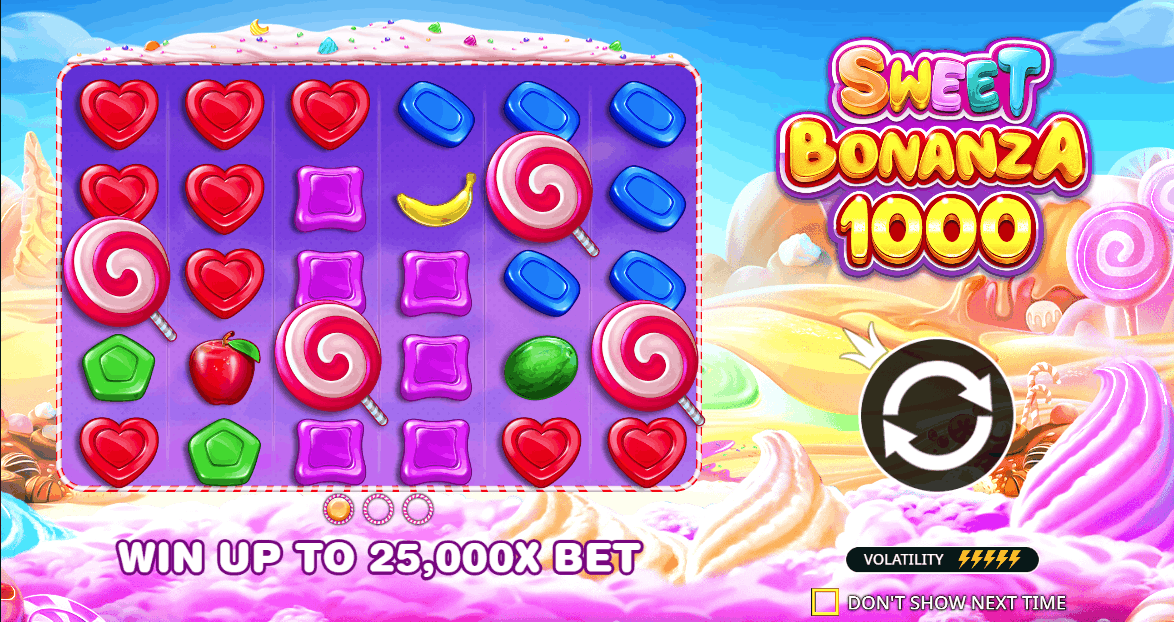
A good example is Sweet Bonanza 1000 by Pragmatic Play. It offers a massive 25,000x max win, yet it’s not marketed as a jackpot game. On the other hand, some pokies with much lower max wins are branded as jackpots simply because of how the prize is presented.
This makes it increasingly hard to distinguish fixed jackpot games, even for experienced players like me, so I often just type in ‘jackpot’ in the search bar or try multiple games in demo mode before deciding which one to play for real.
Note from Mike Waters: I want to point out that the term “jackpot game” is used quite loosely in the industry. There’s no strict rule that defines what qualifies as a jackpot pokie. Game developers know that the word jackpot attracts attention, so it’s often used more as a marketing label than a technical definition. You’ll find games with a 10,000x max win being called jackpot games, while others with 20,000x+ potential are not labelled that way at all.
Fixed Jackpot Pokie Advantages and Trade-Offs

The biggest advantage of fixed jackpots is that you’re not losing out on RTP, and you don’t have to pay a commission with every bet. You know exactly what you’re playing for, and the payouts are built directly into the game rather than being partially diverted into a growing jackpot pool.
That’s why fixed jackpot pokies usually come with higher RTPs, and the gameplay doesn’t feel any different from playing a regular pokie. In fact, you’ve probably played a fixed jackpot pokie at some point without even realising it, so that tells you how similar they are to most pokies you see at lobbies at Australian online casinos.
But there’s an obvious downside. You’re not going to see those massive, life-changing wins that progressive jackpots are known for. The top prize is capped, so while you can still hit big payouts, they won’t reach the same levels as network progressive jackpots because they’re not designed that way.
Also, since fixed jackpots are often tied to bonus features or specific mechanics, you might need to trigger a particular round or meet certain conditions to win the top prize, which doesn’t always happen frequently. Many players end up buying the feature, which is a risky pokie strategy that doesn’t always pay off.
Key Differences Between Progressive and Fixed Jackpots
Although both types fall in the ‘jackpot pokies’ category, there are some major differences between progressive and fixed jackpots, so I’ve prepared the table below so you can compare the two side by side.
| Feature | Progressive Jackpots | Fixed Jackpots |
|---|---|---|
| Jackpot Size | Keeps growing over time | Fixed and predetermined |
| Max Win Potential | Very high (can reach millions) | Capped (e.g. 10,000x – 25,000x) |
| RTP | Usually lower, often ~90% | Usually higher, often > 95% |
| Volatility | Very high | High |
| Jackpot Funding | Shared across players, contribution with each bet | Built into the game |
| Gameplay Feel | High-risk, high-reward | Feels like a regular pokie |
Don’t get me wrong – progressive jackpots still feel like regular pokies. The gameplay is rather similar to, say, video pokies, so you have a betting grid that’s usually 5×3 (can be larger or smaller depending on the game), and you set the bet level and hit the Spin button.
The biggest difference comes down to risk vs reward. Progressive jackpots are built around the idea of a huge win that doesn’t happen often. You’re sacrificing some base game value for the chance of hitting a massive prize.
Fixed jackpot games also have high volatility, but the hit frequency is usually higher when compared to progressives, so you’ll likely see wins more often. Also, since they’re basically standard pokies with a high max win potential, the payouts are more evenly distributed, and the experience is like playing a standard pokie.
Neither is “better” in absolute terms, as it all depends on what you’re actually looking for when you play.
Pros and Cons of Progressive Jackpots
Both types have their own advantages and disadvantages, and neither is necessarily better or worse. It all comes down to what you want from a pokie and your risk tolerance. I’ve compared the pros and cons of fixed vs progressive jackpots, so it’s up to you to choose which type of jackpot games you prefer.
These are the pros of progressive jackpots:
- Massive win potential: This is the main reason people play them. Progressive jackpots can reach life-changing amounts.
- Excitement factor: Knowing that you can hit a massive prize (often in the millions) is rather exciting.
- Network jackpots: You’re competing for a prize pool that can include players across multiple casinos, which means that thousands of players contribute towards the same prize pool.
And these are some of their drawbacks:
- Lower RTP: A portion of each bet funds the jackpot, which reduces base game payouts.
- Rare wins: Those massive jackpots don’t hit often, which means that most of the time, your bets will be lost.
- Higher volatility: All jackpot games come with high volatility, but progressive jackpots often have extremely high volatility, which will result in very infrequent wins.
Pros and Cons of Fixed Jackpots
As I explained, there are thousands of fixed jackpot pokies with different themes, grid structures, and features, but the idea is that these games have a fixed jackpot amount (based on your wager amount), and it can be won by anyone playing the game.
Here are some of the pros of fixed jackpots:
- Higher RTP: More of your bet goes into the base game rather than a jackpot pool, which means that the overall RTP is higher.
- Lower volatility: Although most jackpot games (yes, even fixed jackpot pokies) are high volatility, you’ll still see wins more often when compared to progressives.
- Clear expectations: You know exactly what the maximum win is from the start, and the info page outlines what needs to happen for the grand prize.
Despite these advantages, there are some drawbacks to playing fixed vs progressive jackpot games:
- Capped payouts: You won’t see the multi-million jackpots that progressive games offer.
- Less excitement for some players: Without a growing jackpot, the “big win” factor is not there, which means less excitement for some players.
- Bonus-dependent jackpots: You often need to trigger specific features to access the top prize.
Tips for Choosing Between Progressive and Fixed Jackpots
Progressive and fixed jackpots offer very different experiences, and it all comes down to what you personally enjoy and how much risk you’re comfortable with. There’s really no ‘correct’ or ‘incorrect’ choice, as both options can be a great choice if you pick a game from a reliable casino and from a reputable provider, and vice versa.
If you can’t decide between fixed and progressive jackpot games, here’s a word of advice:
- Try both and see what you like: Some players enjoy chasing massive jackpots, while others prefer more consistent gameplay. The easiest way to figure it out is to try both types and see which one suits you better. Most pokies are available in demo, so you can try them for free before committing real money.
- Focus on the overall game, not just the jackpot: The big number on the game icon is there to draw you in, but the base game matters just as much. Look at the important numbers, like RTP, volatility, and features, before deciding.
- Don’t chase jackpots blindly: Just because a jackpot is high or “due” doesn’t mean it’s easier to win. As I’ve explained in my guide about gambler’s fallacies, every spin is completely independent, so the theory that the “jackpot is due” is completely wrong.
- Play within your limits: It’s always smart to set a bankroll before you start playing, but this is especially important when playing jackpot games. These are usually high volatility games that can drain your bankroll quickly without seeing any substantial wins. That’s why it’s crucial to stick to your pre-determined bankroll.
- Understand the risk level: Both progressive and fixed jackpot pokies are usually high volatility games, which means wins can be infrequent. If you’re looking for games where wins happen more regularly, I suggest sticking to lower volatility pokies.
Tip from Mike Waters: Progressive jackpot games are inherently risky, so I always approach them with caution. If you’re looking for something less volatile, you might be better off checking out my blackjack and poker guides, as those games usually offer higher RTP, and the volatility is much lower.
Summary: Progressive vs Fixed Jackpots
So, which one is better? The only correct answer is: it depends on what you’re looking for.
If your definition of a jackpot is a life-changing win that can reach millions, then progressive jackpots are the obvious choice. Of course, jackpot hits are extremely rare, which means that most of the time you’ll be playing a base game with slightly lower RTP, and you’ll be paying a jackpot contribution with each wager.
If you prefer more balanced gameplay and a higher RTP, fixed jackpots make a lot more sense. In many of these games, the maximum possible win is higher than 20,000x your wager, and it can usually be triggered through the bonus game feature.
Both types have their place, and many players, including me, regularly switch between them. Try different games, see what you like, and choose the ones that match your expectations.
Latest Articles


Disclaimer: Gambling in Australia is strictly for individuals aged 18+. Our editorial team adheres to a strict policy to ensure that our reviews, recommendations, and content remain objective and free from external influence. We strongly encourage responsible gambling at all times. If you or someone you know is struggling with gambling addiction, visit the following gambling resources:
- https://responsiblewagering.com.au/
- https://www.gamblinghelponline.org.au/
- https://gamblershelp.com.au/get-help/