

Table of Contents
Written by
 Mike Waters
Edited by
 Matthew Scott
You may even find this guide useful if you’ve been playing poker for some time and feel like you’ve hit a plateau. Sometimes, going back to the basics and fixing a few simple mistakes is exactly what you need to start improving again.
The Most Common Mistakes New Poker Players Make
Most new players tend to make the same types of mistakes when they first start playing. Now, just to be clear, I won’t be explaining the poker basics, rules, or strategies here, because I have prepared a guide for that.
Assuming you’re already familiar with the rules and have been playing poker for some time, you’re probably making at least some of these mistakes. I’ve seen (and probably done them myself) countless times at both live tables and online games, and the truth is that they’re usually easy to fix once you recognise them.
Below are some of the most common mistakes beginners make and what you should watch out for if you want to improve your game.
Playing Too Many Hands
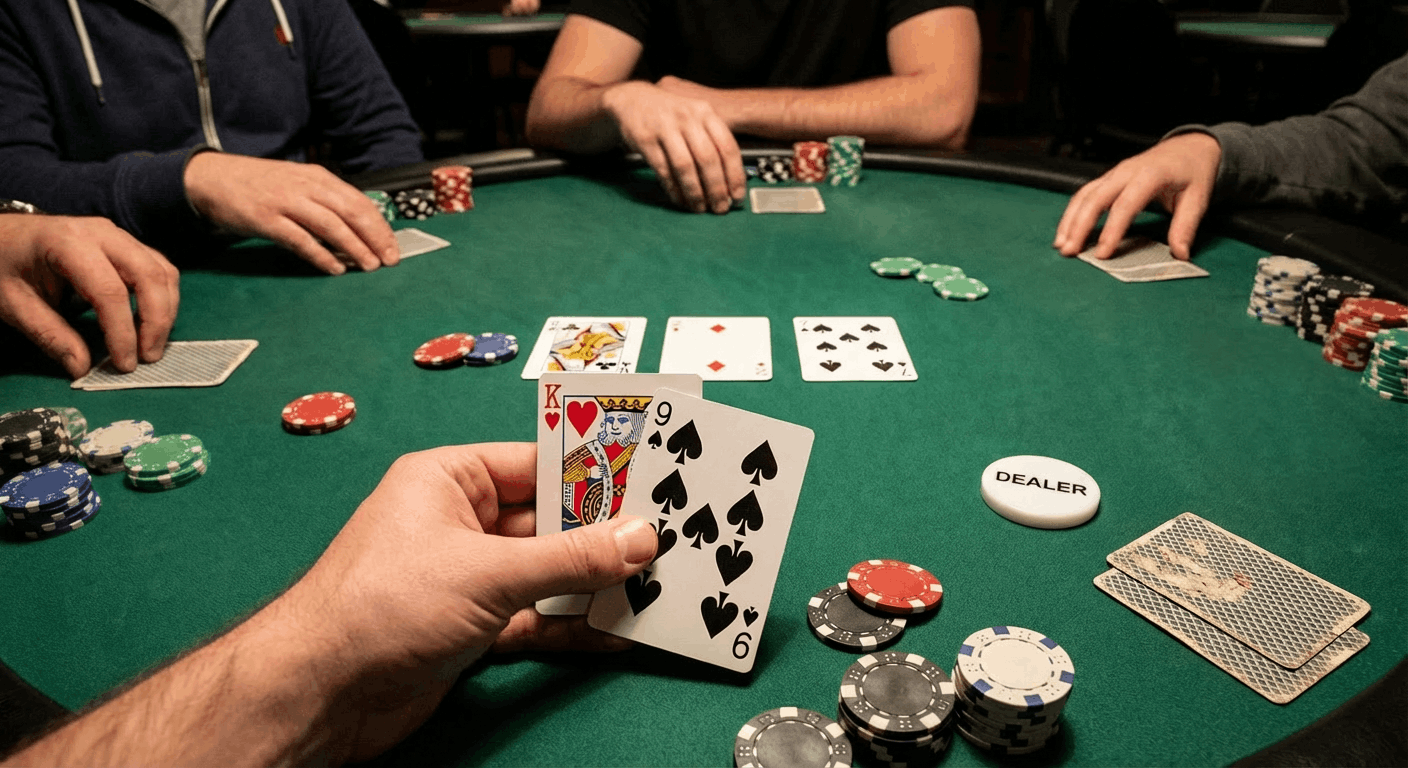
I’m 100% sure that this is the most common absolute-beginner mistake. Now, the more you learn, the more you start to evaluate your hands, but one of the most common mistakes I see from new players is simply playing too many starting hands.
Beginners often want to be involved in every pot, especially when they’re dealt hands that look “interesting” but are actually quite weak. I won’t even mention things like position and opponents here because most beginners don’t even know what position is.
For example, imagine you’re holding a K of hearts and a 9 of spades. A beginner might raise or call with this hand just because it contains a king. The problem is that if someone behind you has KQ, AK, or even KJ, you’re already dominated and likely to lose even more chips if you hit top pair.
Good players are much more selective with their starting hands. Yes, I know, folding often feels boring, but trust me, you want to avoid trouble as much as possible and just learn the easy way. Of course, there’s also the hard way to learn, but it can be costly.

Tip from Mike Waters: If you find yourself playing too many hands, the first thing I suggest learning is poker position. Once you understand why late position is so powerful and why early position is weak, you’ll naturally start folding more hands in early position and playing a bit wider when you’re on the button or cutoff. This alone can fix a lot of your chip leaks.
Overvaluing Mediocre Hands
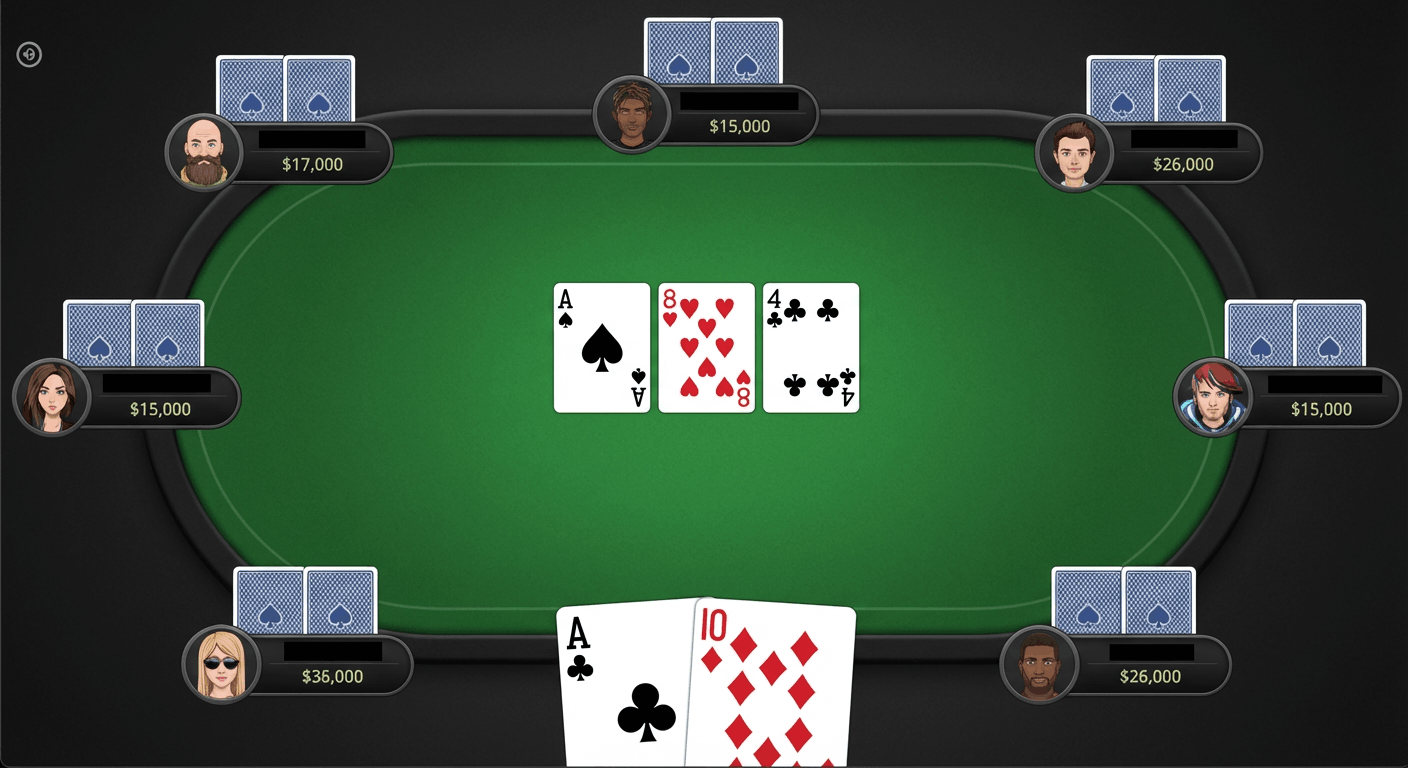
Another mistake I see very often from new players is overvaluing hands that look strong on the surface but really aren’t. In my experience, this is not a complete beginner mistake, and it’s usually novices who make it.
A common example is a top pair with a weak kicker. Let’s say you’re holding A of clubs and 10 of diamonds, and the flop comes A of spades, 8 of hearts, and 4 of clubs. Many beginners immediately assume they have the best hand and start betting aggressively. And that’s not necessarily a mistake by itself, but calm your horses.
The problem starts when an opponent shows serious resistance. If they keep raising or applying pressure, there’s a good chance they have AK, AQ, A8, or even a set. Novices often refuse to fold because they’re emotionally attached to the fact that they hit an ace, and that’s the mistake.
Poker hands always need to be evaluated relative to what your opponent could have, not just based on how good your own cards look. Try to read the table and your opponents, and try to be objective when evaluating your own hand.
Tip from Mike Waters: If you’re unsure whether your hand is strong enough, ask yourself a simple question: What better hands would my opponent realistically play this way? If you can name several of them, it’s often a sign that your hand isn’t as strong as it feels.
Ignoring Position
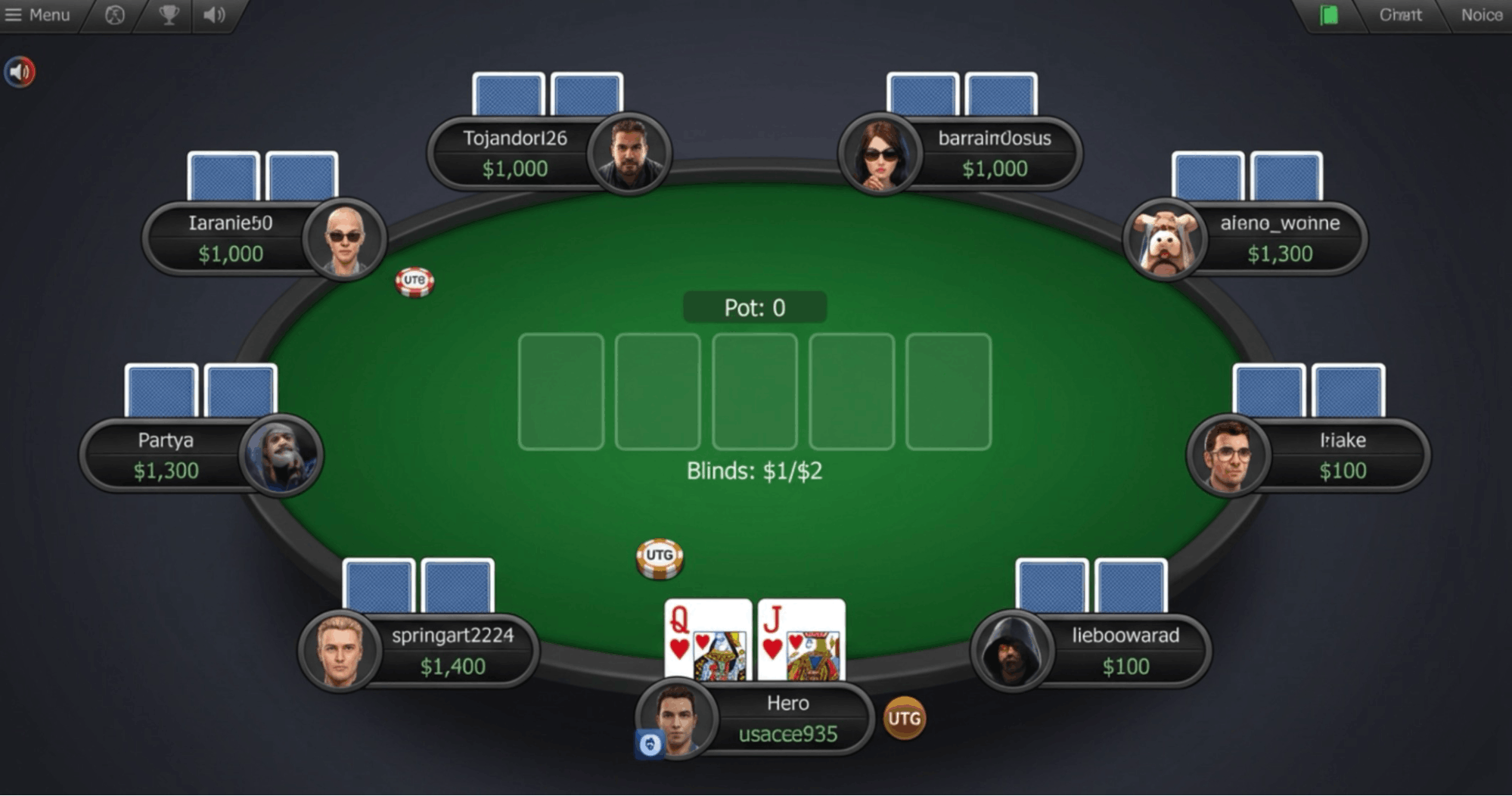
This mistake goes hand in hand with playing too many hands and overvaluing mediocre hands. Position is one of the biggest advantages in poker, yet many beginners completely ignore it.
For instance, imagine you’re under the gun (the first one to decide whether to call, fold, or raise before the flop) with Q of hearts and J of hearts in a full table game.
Yes, the hand looks playable, but it’s a major beginner mistake to raise in a UTG position here. Why? Because there are eight players left to act behind you, and any of them can have a stronger hand. I’m not saying to fold this hand immediately, but be patient and pay attention to your position first. What’s your plan if four players decide to raise after you? Exactly.
Now imagine you’re dealt the same Q and J of hearts, but this time you’re sitting on the button, which means you act last after the flop. Suddenly, the hand becomes much more attractive to play. You’ve already seen how the other players acted, and you’ll have more information to work with during the hand.
Statistically, experienced players play many more hands in late position than in early position, and there’s a reason for it – the amount of information.
Tip from Mike Waters: If you’re new to poker, learn about the different positions and respect the early position. Don’t jump the gun too early, be patient, and only play the strongest hands when you’re first to act to avoid bleeding chips unnecessarily.
Undervaluing Strong Hands
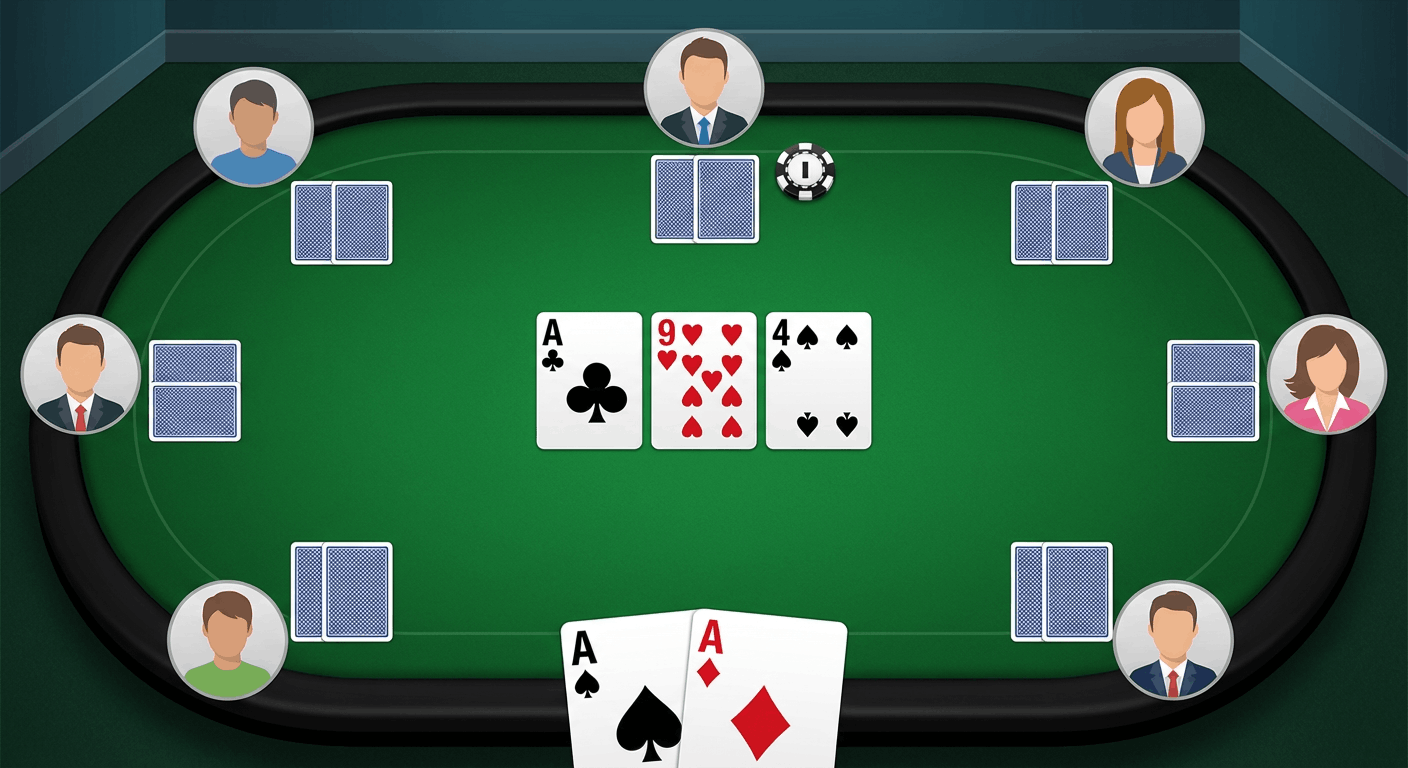
Yes, I said that you shouldn’t overvalue your hands, but you shouldn’t undervalue them either – and this is a common mistake that I see beginners make. The idea in poker is to extract the best possible value from your hands, and many players just don’t extract enough value from good hands (enough being the keyword here).
Let’s say you’re holding A of spades and A of diamonds, and the flop comes A of clubs, 9 of hearts, and 4 of spades. Congratulations, you’ve flopped a set, which is undoubtedly the strongest hand on the table.
So, what’s the mistake you can make here? Well, many beginners get excited and play either too cautiously or too aggressively. For example, they check repeatedly because they’re afraid of scaring their opponent away.
The problem is that when you have a strong hand like this, your goal should be to build the pot and get value from weaker hands. If your opponent has something like A and 10, A and 9, K and 9, or even a straight draw, they may be willing to put chips into the pot.
Poker isn’t only about avoiding losses, but about maximising your wins when you actually have the best hand. So, you need to be aggressive enough to extract some value from your good hand.
Tip from Mike Waters: When you believe you have the best hand, don’t be afraid to bet. Many beginners worry too much about “scaring opponents away”, but in reality, players call far more often than they fold. Of course, going all-in immediately is not the move here, but I advise you to be moderately aggressive, even if it means scaring someone. It’s better to scare them and win the existing pot than to let them see the Turn and River for free and get the chance to draw a straight or a flush.
Calling Too Often
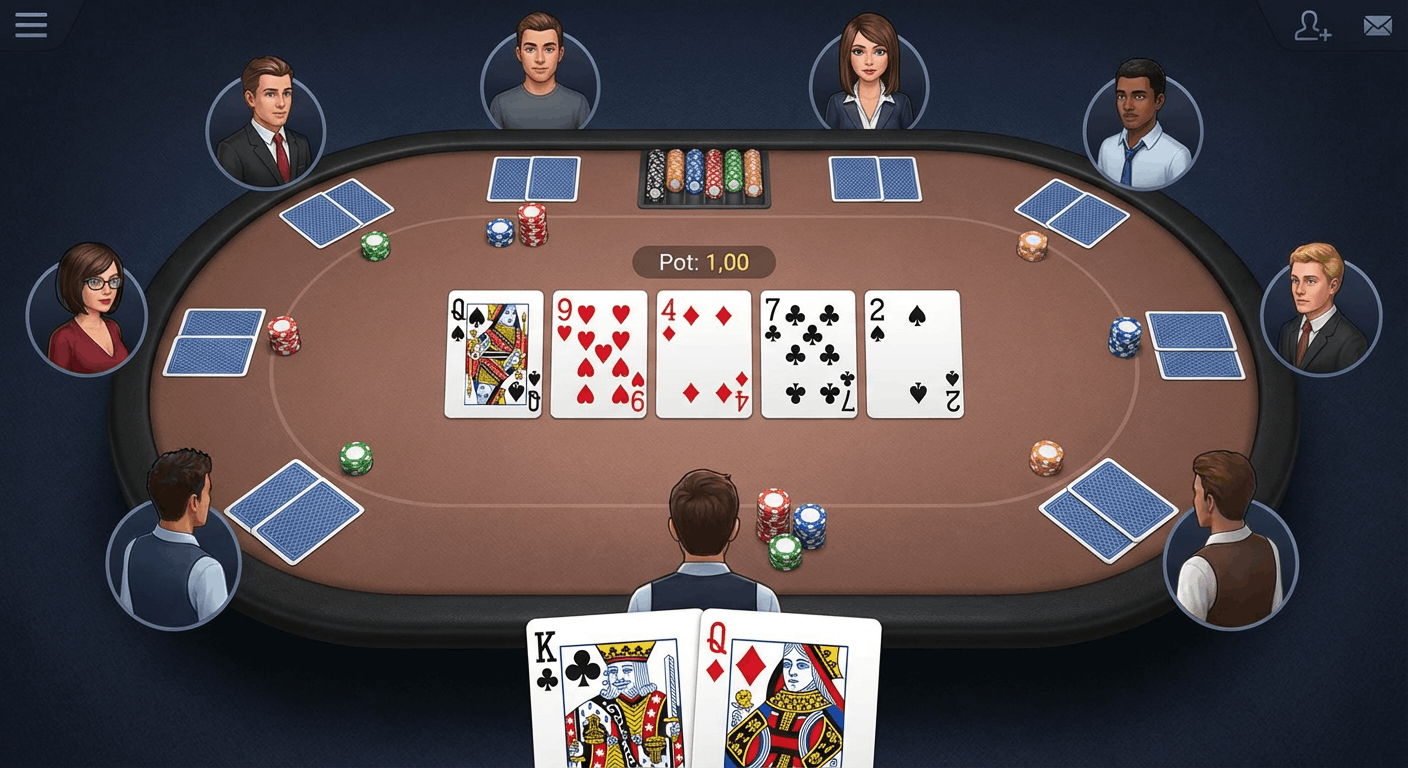
Another mistake I see from new poker players all the time is calling too often. Beginners simply hate folding, especially when they’ve already invested some chips in the pot.
Let’s say you’re holding K of clubs and Q of diamonds, and the board comes Q spades, 9 hearts, 4 diamonds, 7 clubs, and 2 spades. You’ve got top pair, which is actually a solid hand here. Now imagine your opponent bets the flop, the turn, and then makes a big bet on the river.
Many beginners will call that final bet just to see what their opponent has. The thought process is usually something like, “Maybe they’re bluffing.” Or, “I’ve got the top pair here, and they can’t have a Flush, Straight, or a Full House, so I’m good”.
Not so fast, chief. There are still many losing hands for you in this situation. You call, and they reveal their set of 9s, or AQ, or even KQ with a better kicker.
The point here is that beginners often focus only on the hands they beat and ignore the many hands that can still beat them. Calling just to “find out” what your opponent has is one of the fastest ways to lose your chips.
You don’t call simply out of curiosity. Every call should have a clear reason behind it, whether it’s because you believe you have the best hand or because the pot odds justify it. Heck, you can even feel like calling, and that’s (sometimes) okay too, but you should at least be aware that you’re making an emotional call, not a logical one.
In my experience, this is also one of the costlier mistakes players make, and one of the hardest habits to break once it becomes part of their game. The best way to combat it is to start evaluating every hand objectively and recognise when you’re making too many emotional calls.
Tip from Mike Waters: If you’re the type of player who calls too often, try forcing yourself to ask one simple question before putting chips in the pot: What hands do I realistically beat here? If the answer isn’t very convincing, folding is usually the better option.
Playing Too Passively
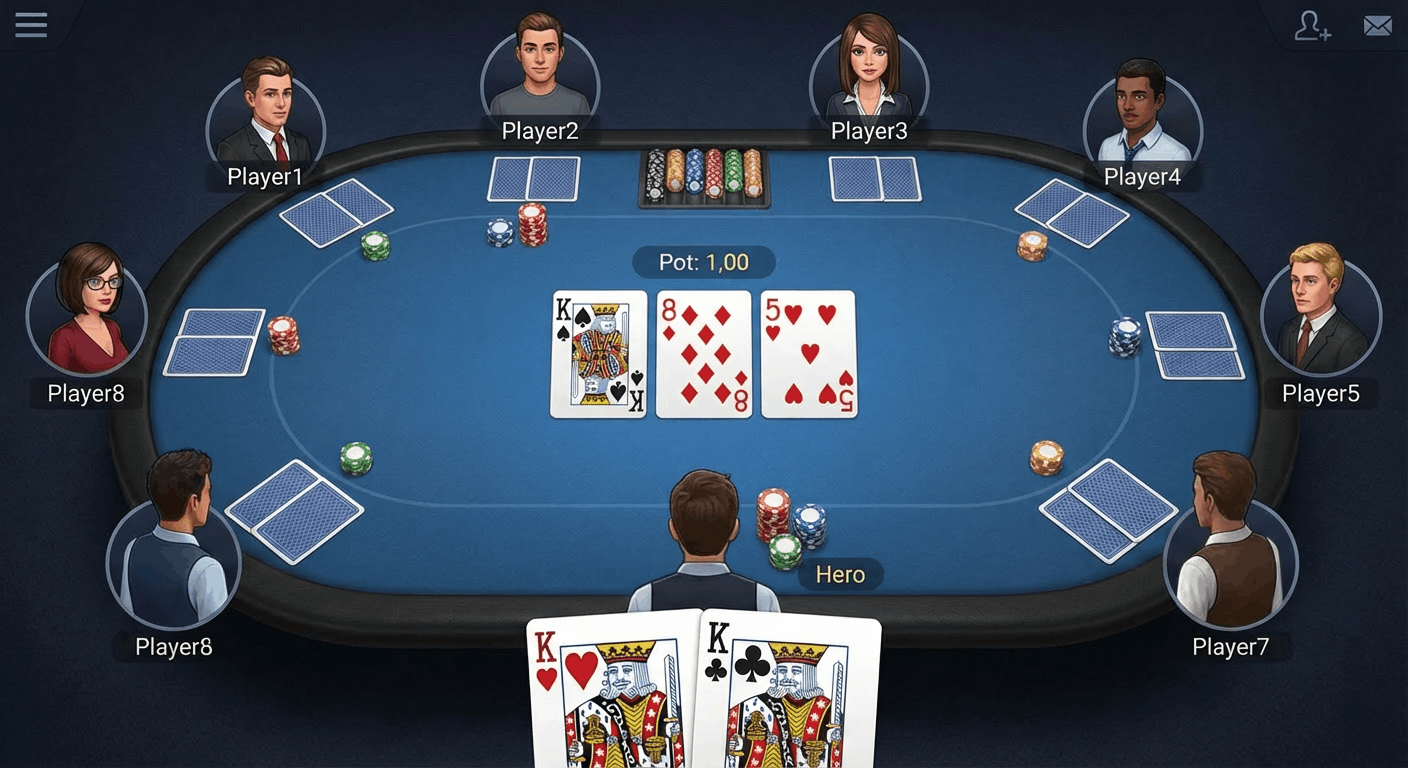
Another mistake closely related to the previous one is playing too passively. Beginners often prefer to check and call instead of betting or raising, even when they have a strong hand.
For example, imagine you’re holding K of hearts and K of clubs, and the flop comes K of spades, 8 of diamonds, and 5 of hearts. You’ve flopped a top set, which is an extremely strong hand.
Don’t just check and hope for someone else to bet first. What’s your plan here? You’re gonna call their raise, then check again on the turn, and call again? Yes, that’s harmless, but you allow your opponents to control the size of the pot and draw something that might beat your hand.
Poker rewards aggression at the right time, and you do need to bet and raise with strong hands.
Tip from Mike Waters: If you catch yourself checking strong hands too often, remind yourself of one simple rule: don’t slow-play against players who will call bets anyway. You just give them a free (or cheap) chance to draw something that might bite you in the showdown.
Bluffing Too Much
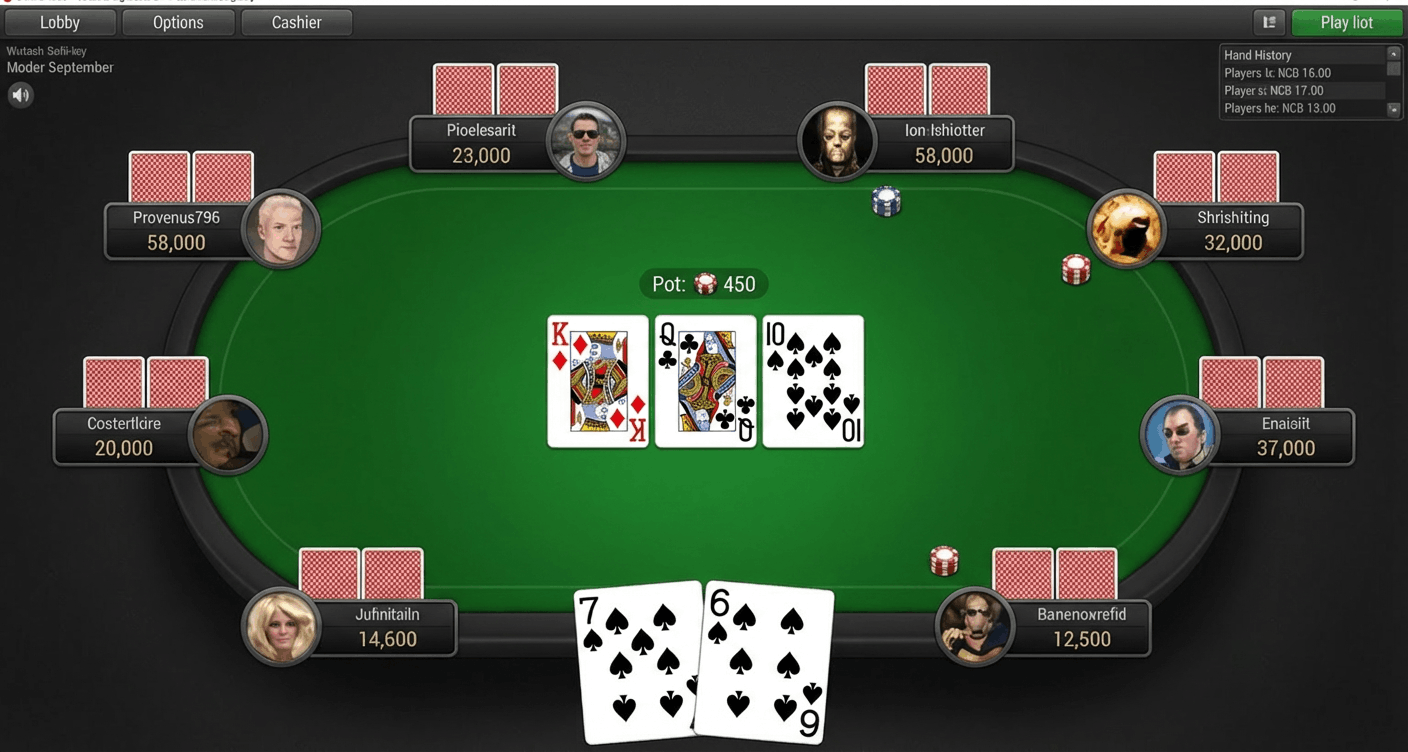
You might think you’re good at poker, but let’s face it – you’re not Phil Hellmuth (and if you are, then Hi Phil!).
This problem started occurring when poker tournaments became televised, and we all watched the world’s best players constantly pushing their opponents off hands with huge bluffs. In reality, bluffing is a much smaller part of the game than most people think.
Let’s imagine a scenario where you get a 7 and a 6 of spades, and the flop comes a K of diamonds, a Q of clubs, and a 10 of spades. So, you decide to bluff and try to represent a strong hand because you’ve seen Phil Ivey do it on TV. The problem here is that the board connects well with cards that your opponents would typically call before the flop.
Successful betting requires the right board and the right opponents, and you don’t have any. Don’t bluff just because you feel that you should, because bluffing doesn’t work like that, and in most situations, you’ll likely just bleed chips unnecessarily.
Tip from Mike Waters: If you’re new to poker, focus much more on value betting strong hands rather than trying to bluff your opponents. Most of your profit in poker will come from getting paid when you actually have the best hand, and this is especially true when you’re playing online poker against amateur opponents.
Chasing Draws Without Understanding Pot Odds
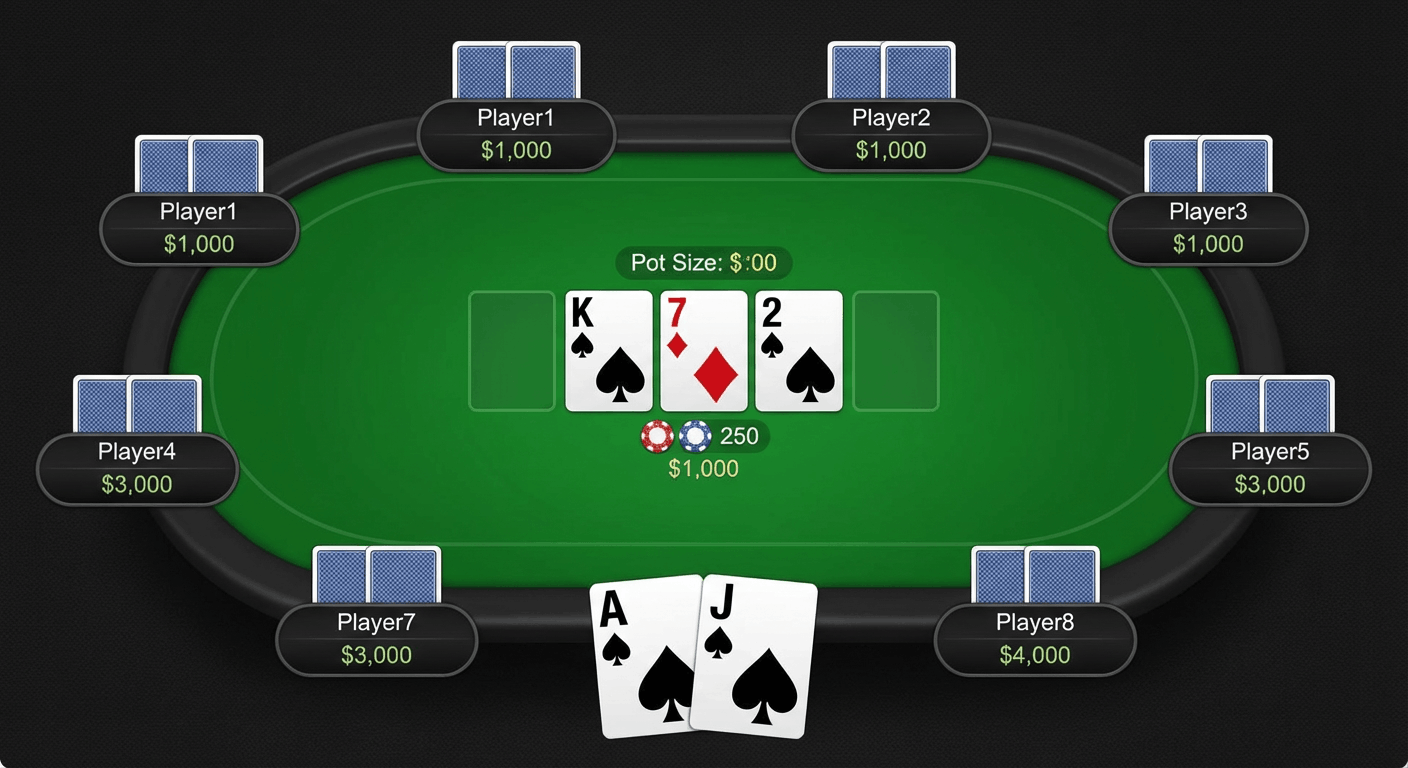
Another mistake I see very often from beginners is chasing draws without thinking about whether the call actually makes sense mathematically.
For example, imagine you’re holding A of spades, and J of spades, and the flop comes K of spades, 7 of diamonds, and 2 of spades. You now have a flush draw, which means you need one more spade to complete your hand.
A beginner will often call any bet here because they’re thinking, “If a spade comes, I’ll win a big pot.” And yes, that’s true. If a spade comes out, you’ll likely have the best hand at the table and win a big pot.
The problem is that poker isn’t just about what you might hit, but also about how much it costs to try and hit it. If your opponent makes a large bet and the pot is small, you’re risking too much for your draw chase.
Once you learn the basics of poker, you need to learn the concepts of pot odds and expected value to progress to the next level. If you don’t, you’ll remain stuck in that beginner-to-novice phase forever.
Tip from Mike Waters: If you want to improve your poker game, take the time to learn the basics of pot odds and expected value. You’ll get a clearer picture of the cost of a call with your chances of drawing, and you’ll start making much better decisions in these situations.
Playing Emotionally (Tilt)
This is a mistake that applies to pretty much every poker player out there, no matter if you’re a beginner or a pro. Getting tilted (or playing emotionally) is when you let your emotions affect your decisions. That’s usually when all hell breaks loose, and you start making all the mistakes I mentioned above. In poker, we call this ‘tilt’, and it usually happens after something frustrating.
For example, imagine you’re holding A of hearts and A of clubs, you raise before the flop, and one player calls. The flop and turn look safe, you bet again, and then the river gives your opponent a straight that beats your hand.
Situations like this can be extremely frustrating, and many players start playing more aggressively to try to win their chips back. Yes, it’s a rookie mistake, and it’s more of a psychological mistake than a poker mistake. Good players are waiting on you to get tilted, so they’ll win your chips.
Just accept that bad beats are a part of the game. Poker is a long-term game anyway, and even the best players in the world lose hands where they were heavily favoured to win. Luck will turn again, but even luck can’t save you if you get tilted and lose all your chips in the next few hands.
Tip from Mike Waters: If you feel frustrated after losing a big pot, take a short break. Step away from the table for a few minutes, clear your head, and come back when you calm down. You should never-ever play emotionally or when you’re tilted.
How to Avoid These Poker Mistakes
If you got this far, you probably recognised at least some of these mistakes in your own game. Good. Recognition is the first step towards fixing those mistakes. Once you become aware of it, most of them are actually quite easy to fix. Poker improvement is all about making better and more rational decisions consistently and just sticking to the fundamentals.
Here are a few simple things you can focus on if you want to avoid the mistakes we discussed:
- Play fewer starting hands: The easiest way to improve your game is to simply play fewer hands. Don’t get involved in too many pots with weak hands, so you don’t have to make difficult decisions later.
- Respect position: Position is one of the biggest advantages you can have in poker, so try to use it to your advantage. Learn about EP, MP, and LP, and be passive when you need to be, and aggressive when the opportunity arises.
- Think before calling: Calling just to see what your opponent has is rarely a good idea. Before you call a bet, take a moment to think about what hands your opponent could realistically have and whether your hand is strong enough to beat them.
- Learn pot odds and expected value: If you want to move beyond the beginner stage, understanding pot odds is essential. When you learn to calculate pot odds and EV, you’ll learn when a call is mathematically justified.
- Control your emotions: Don’t let frustration affect your decisions. If you feel like you’re getting tilted, just step away from the table and reset.
- Value betting is your friend: Don’t worry too much about bluffing. Most of your profit in poker comes from value betting (betting when you actually have the best hand), so don’t be afraid to bet your strong hands and build the pot.
Recognise & Learn from Your Mistakes
The most effective way to avoid beginner mistakes is to recognise them. Most of them are not complicated to fix once you know that you’re making a mistake, and I hope my guide will help you out with that.
In fact, many players improve significantly once they start evaluating the strength of their hands, pay attention to their position, and think a bit more before calling or folding.
Poker is a long-term game, and even the best players in the world make mistakes and lose hands they were “supposed” to win. What makes them ‘the best’ is the fact that they are able to stay disciplined and make good decisions hand after hand.
My advice is to focus on the poker fundamentals, avoid the common mistakes I discussed, and keep learning as you play. I guarantee you’ll already be better than most of the players sitting at your table.
Latest Articles


Disclaimer: Gambling in Australia is strictly for individuals aged 18+. Our editorial team adheres to a strict policy to ensure that our reviews, recommendations, and content remain objective and free from external influence. We strongly encourage responsible gambling at all times. If you or someone you know is struggling with gambling addiction, visit the following gambling resources:
- https://responsiblewagering.com.au/
- https://www.gamblinghelponline.org.au/
- https://gamblershelp.com.au/get-help/